← The Great Transformation

Aristotle and Aquinas

Download PDF · 14 slides

Aristotle and Aquinas. The foundations of Medieval Economic. Thought
1
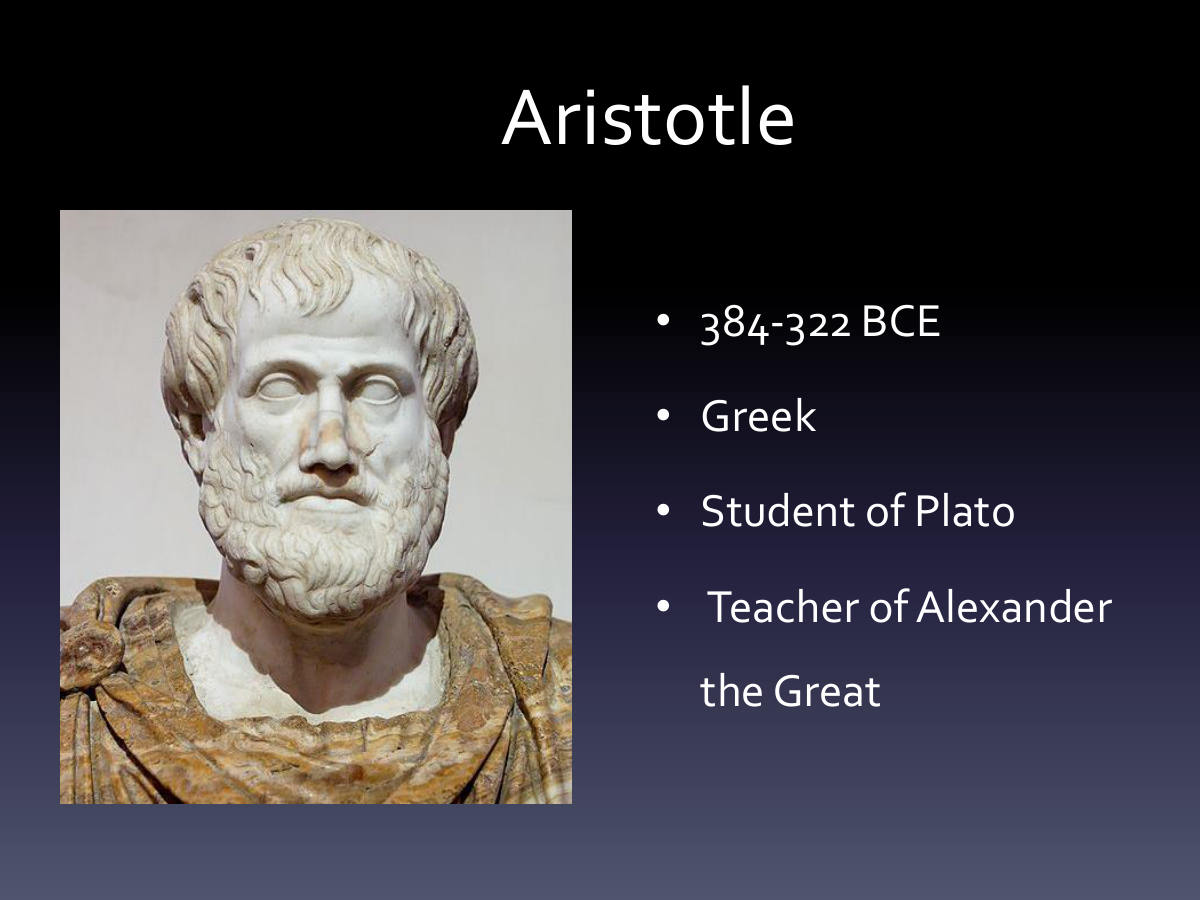
Aristotle. 384-322 BCE. Greek. Student of Plato. Teacher of Alexander the Great
2
Aristotle. In physical science, Aristotle studied anatomy, astronomy, embryology, geography, geology, meteorology, physics and zoology. In philosophy, he wrote on aesthetics, ethics, government, metaphysics, politics, economics, psychology, rhetoric and theology. He also studied education, foreign customs, literature and poetry. Source: Wikipedia
3
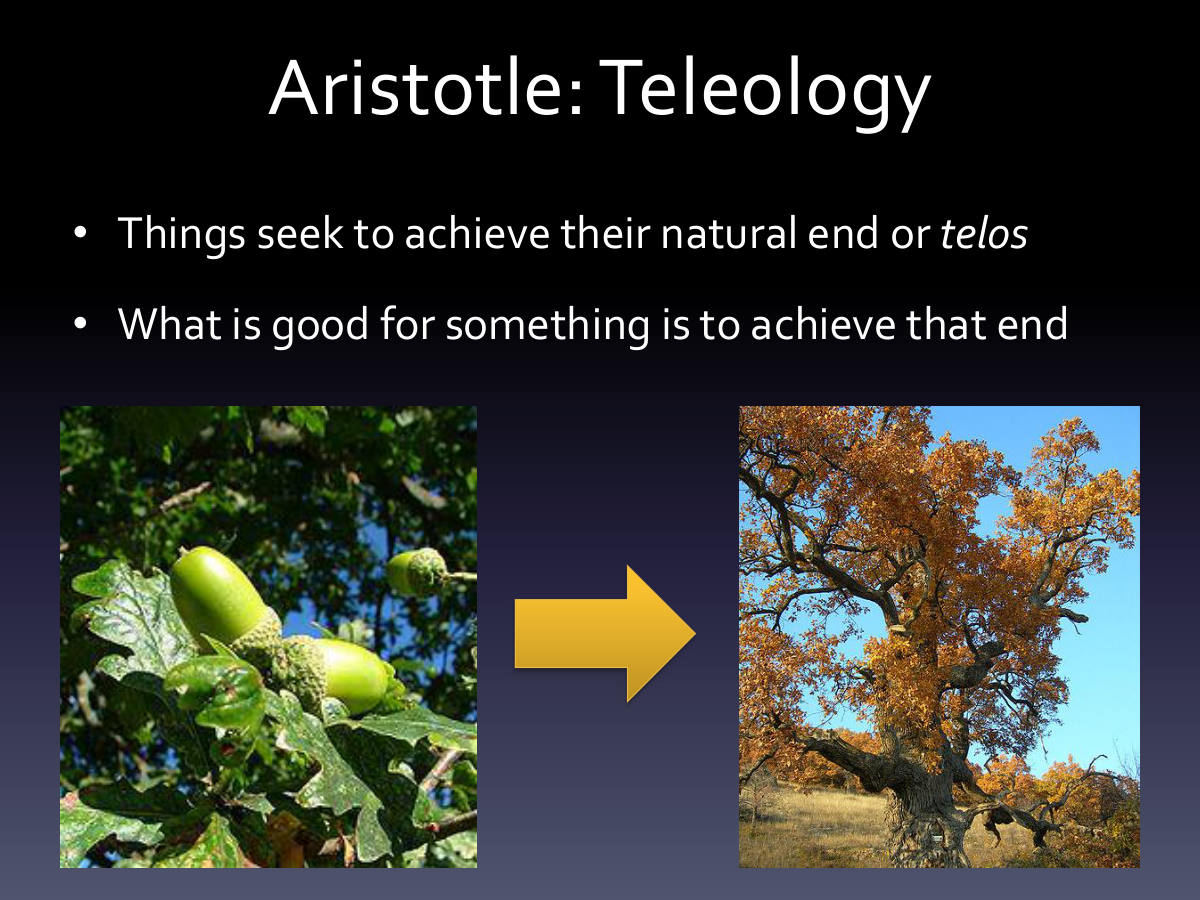
Aristotle: Teleology. Things seek to achieve their natural end or telos. What is good for something is to achieve that end
4
Aristotle on trade. Trade for Aristotle is instrumental. A means to achieving the good life
5
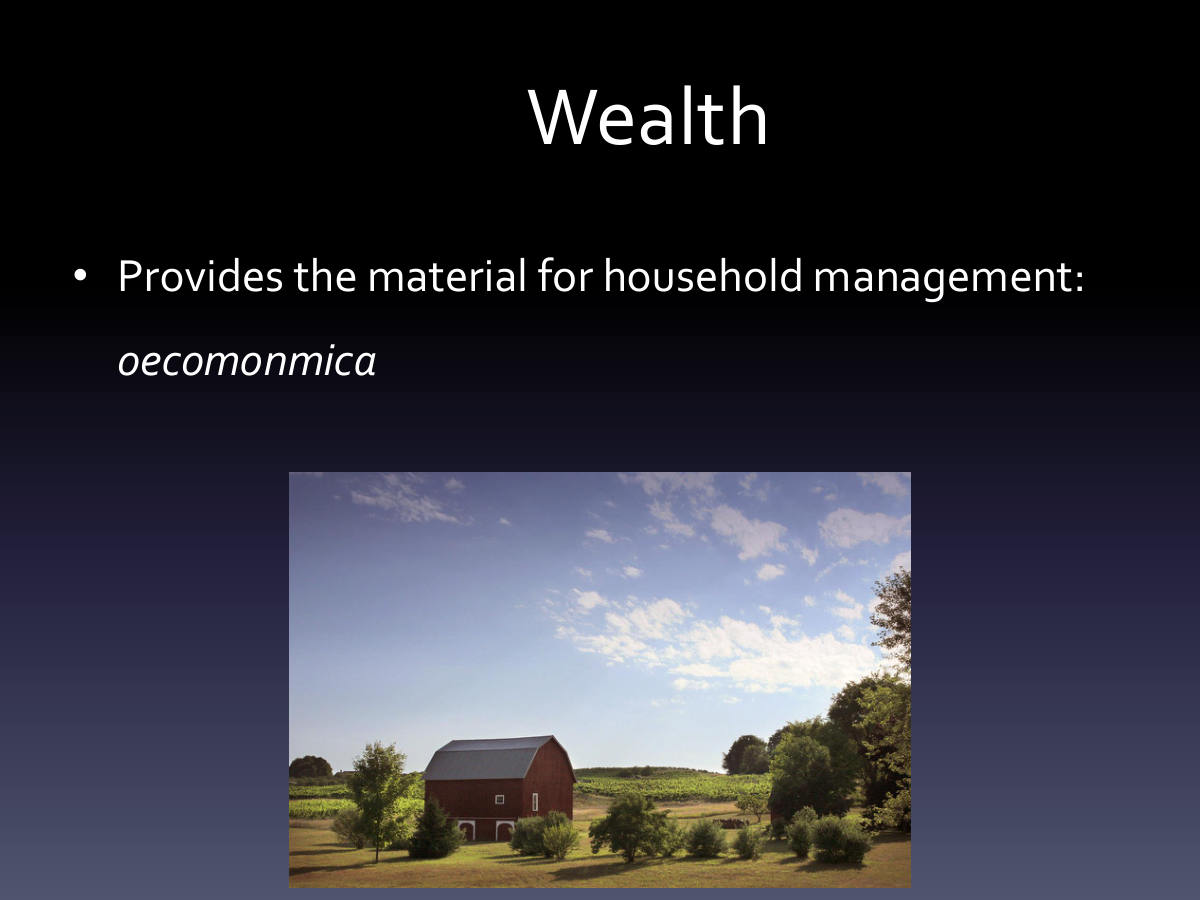
Wealth. Provides the material for household management: oecomonmica
6
Acquisition. Natural limit: acquire enough to live an unstressed, healthy life.
7
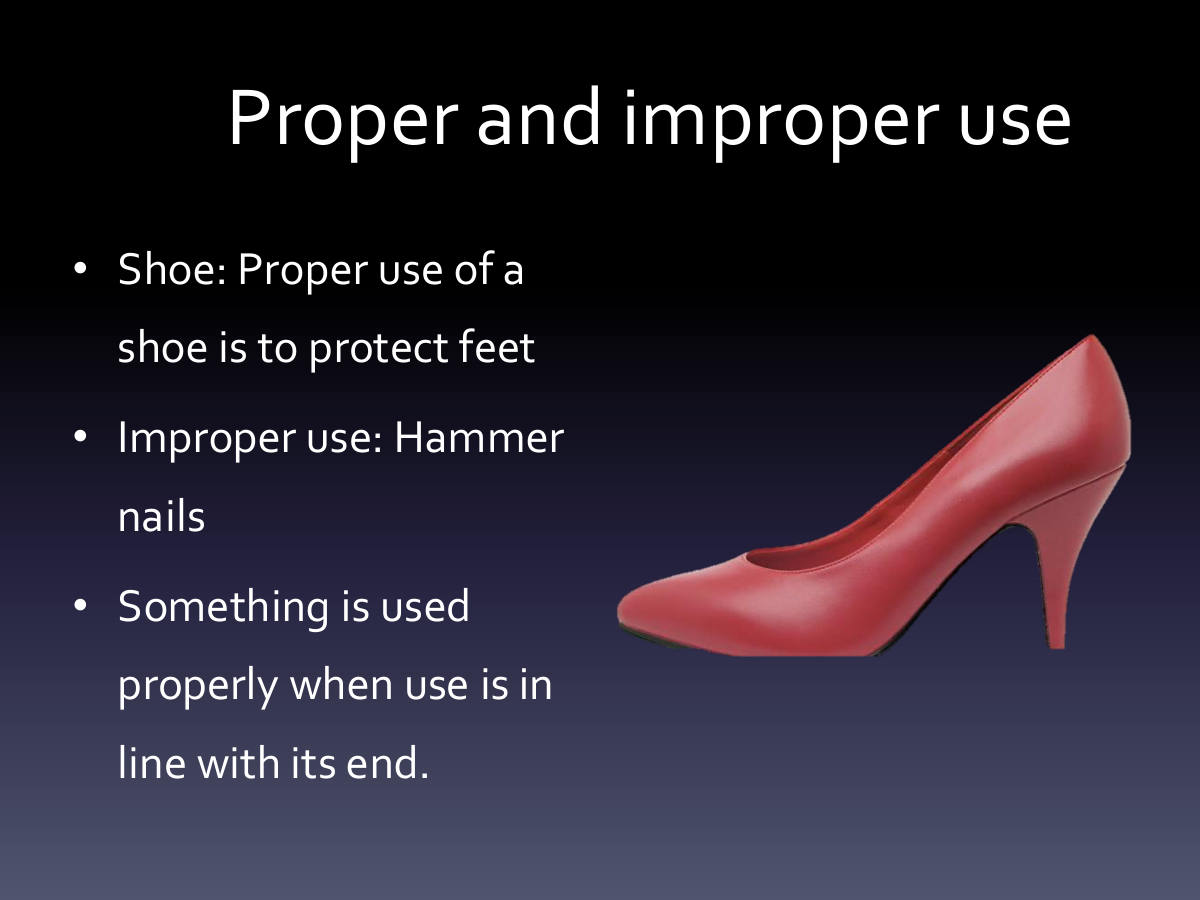
Proper and improper use. Shoe: Proper use of a shoe is to protect feet. Improper use: Hammer nails. Something is used properly when use is in line with its end.
8
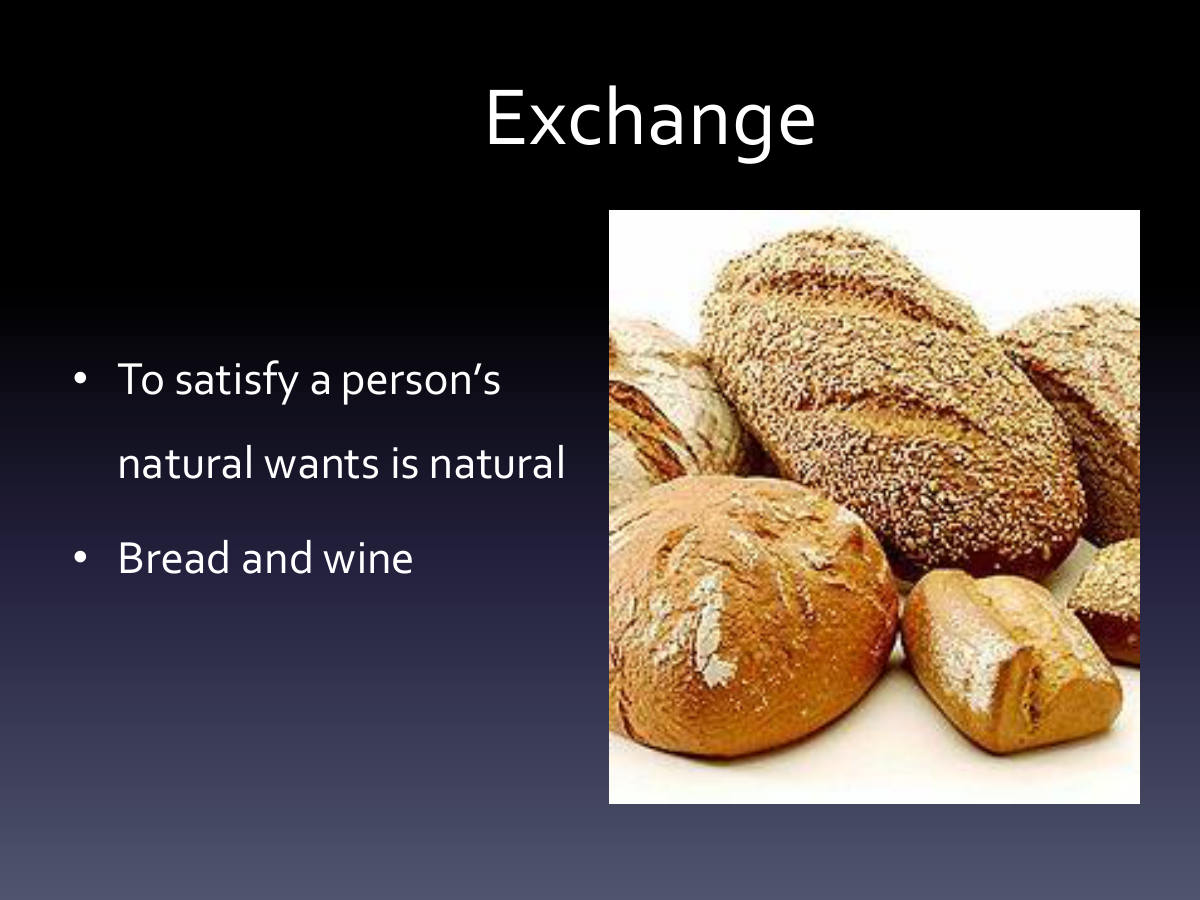
Exchange. To satisfy a person’s natural wants is natural. Bread and wine
9
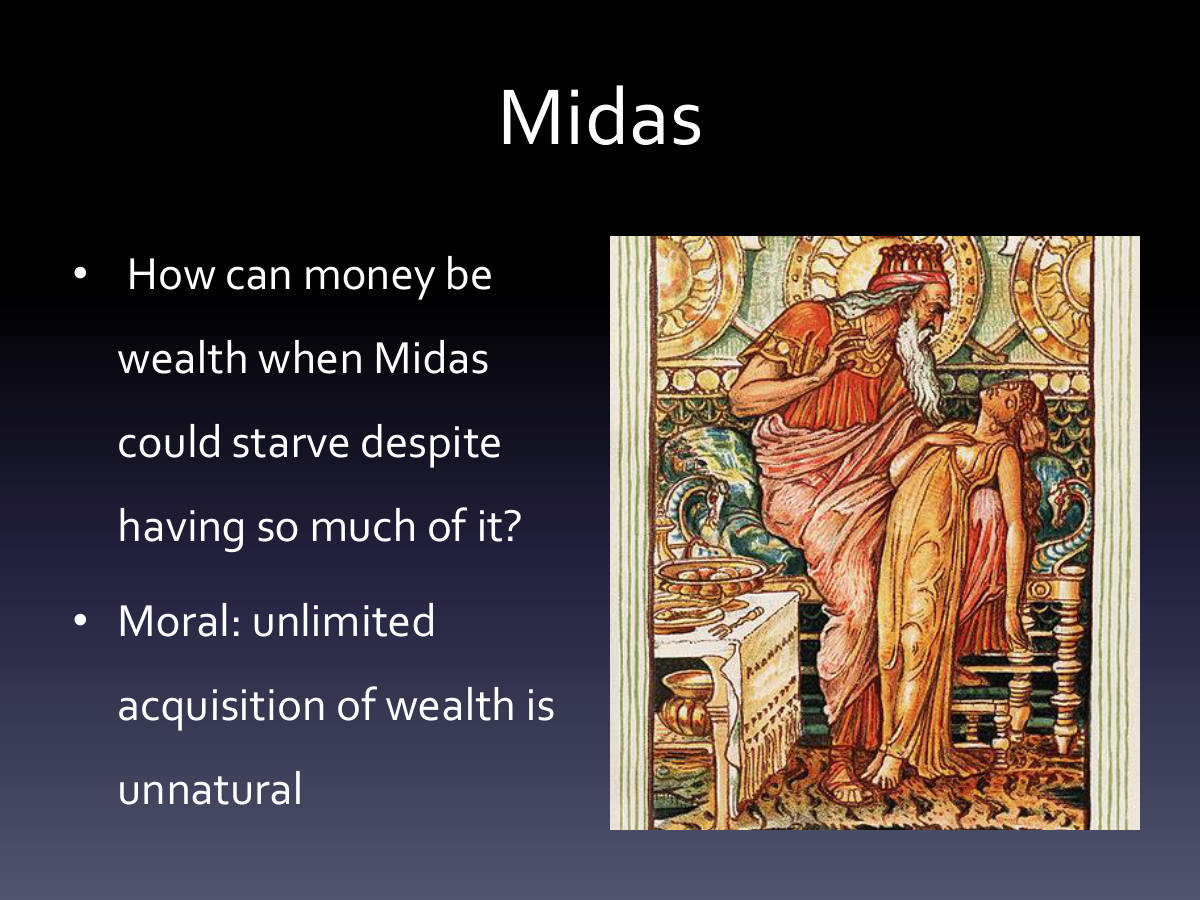
Midas. How can money be wealth when Midas could starve despite having so much of it? Moral: unlimited acquisition of wealth is unnatural
10
Aristotle on Virtue. Aristotle’s idea of the mean – virtue is the mean between two vices. Courage lies between cowardice and rashness. Temperance is the mean of drunkenness and teetotaling
11
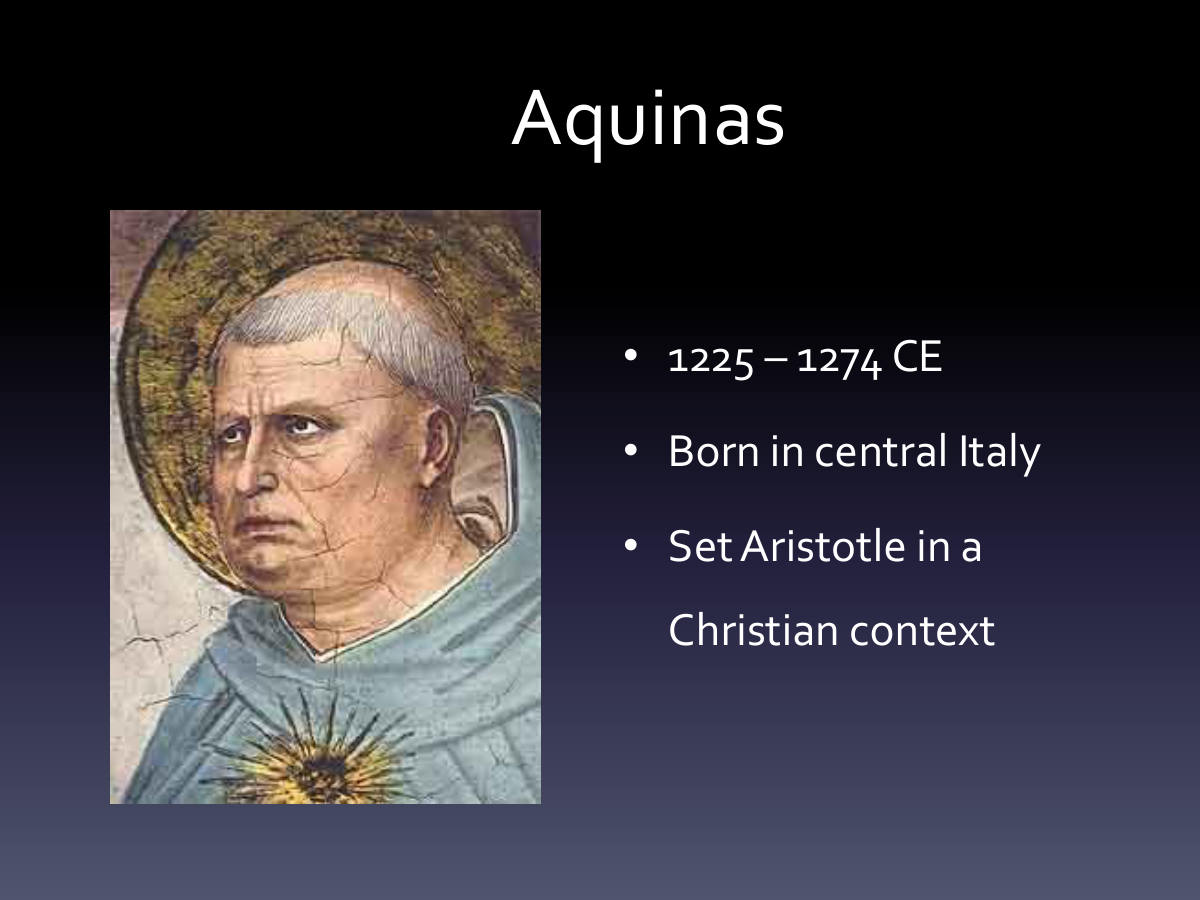
Aquinas. 1225 – 1274 CE. Born in central Italy. Set Aristotle in a Christian context
12
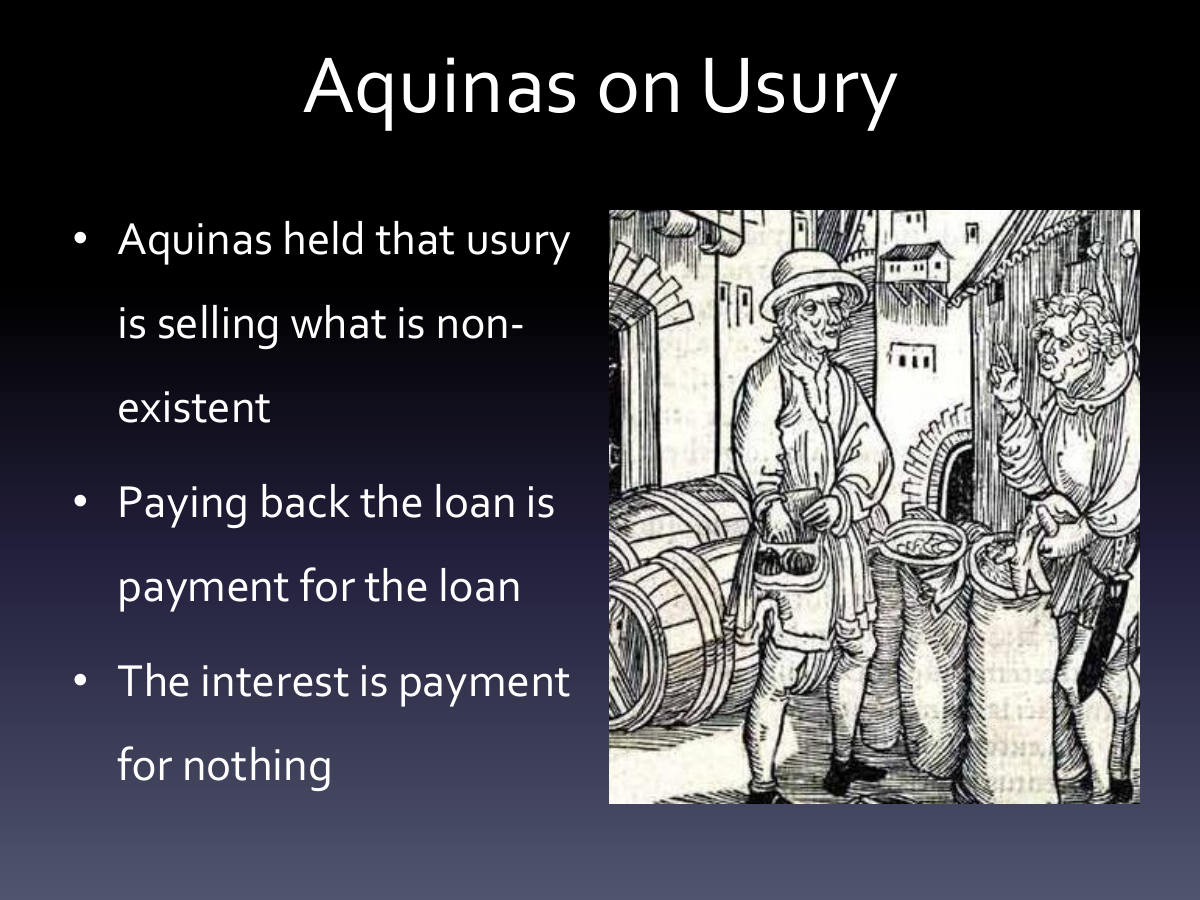
Aquinas on Usury. Aquinas held that usury is selling what is non-existent. Paying back the loan is payment for the loan. The interest is payment for nothing
13
Aquinas on Usury. Aquinas holds that one can borrow at interest: If one did not persuade the usurer (he was out loaning money anyway); If the loan is put to good use.
14