← The Great Transformation

What Is the Great Transformation?

Download PDF · 29 slides

What Is the Great Transformation? The making of your civilization
1
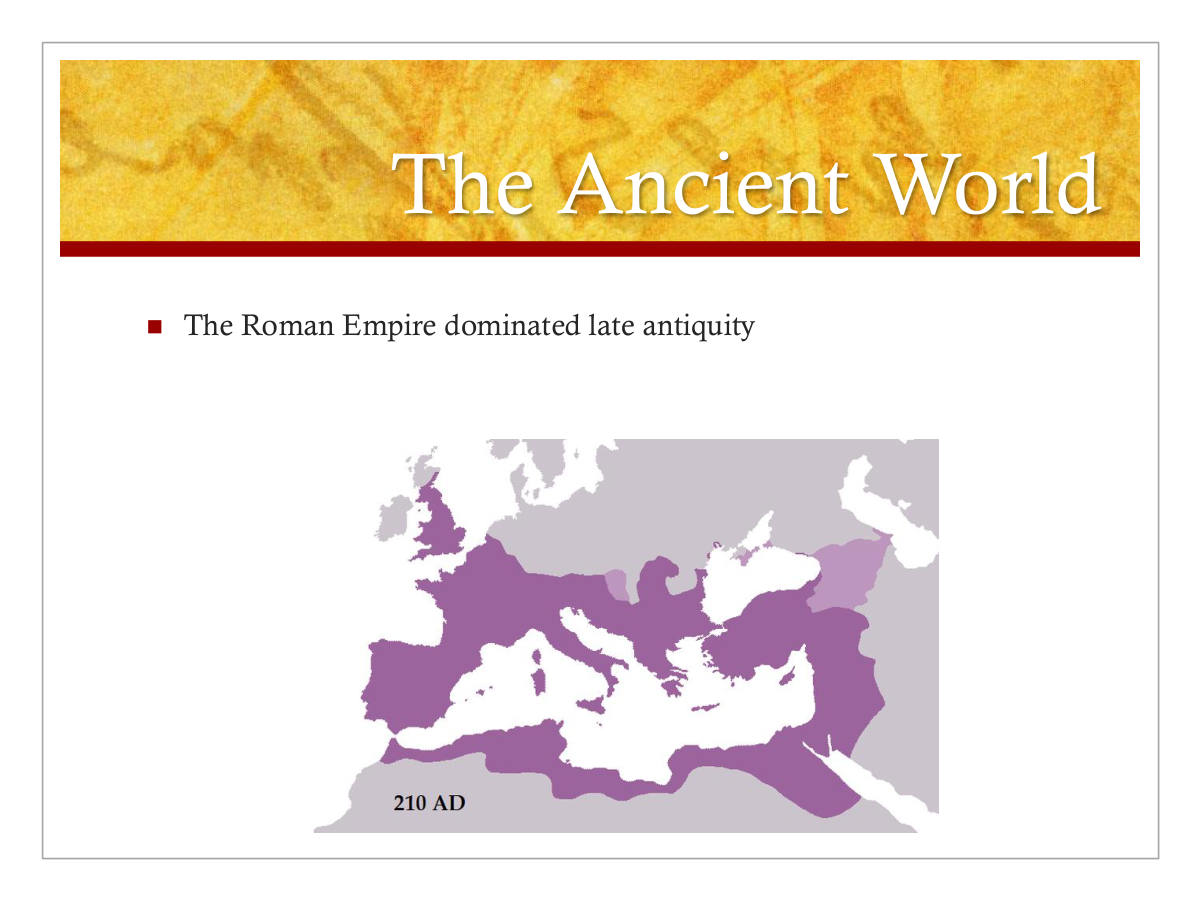
The Ancient World. The Roman Empire dominated late antiquity
2
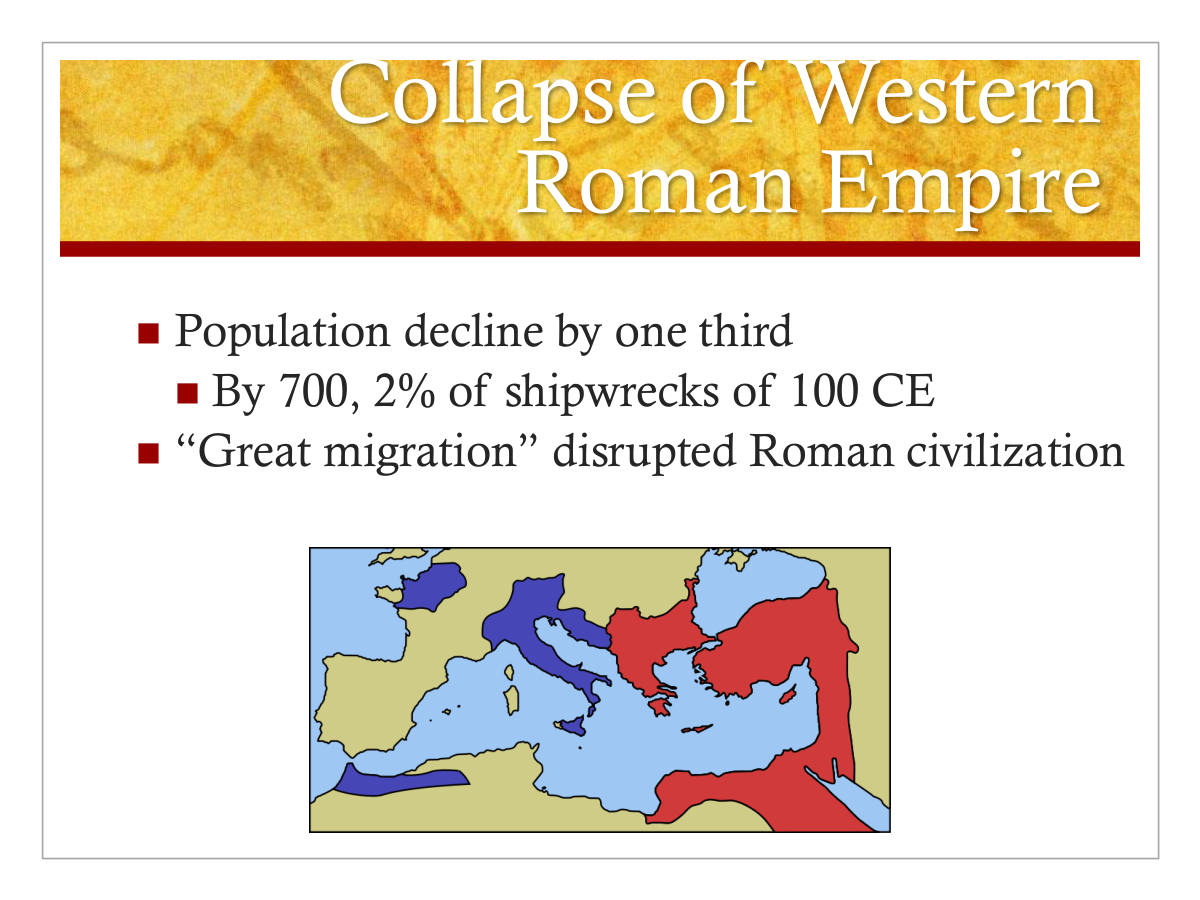
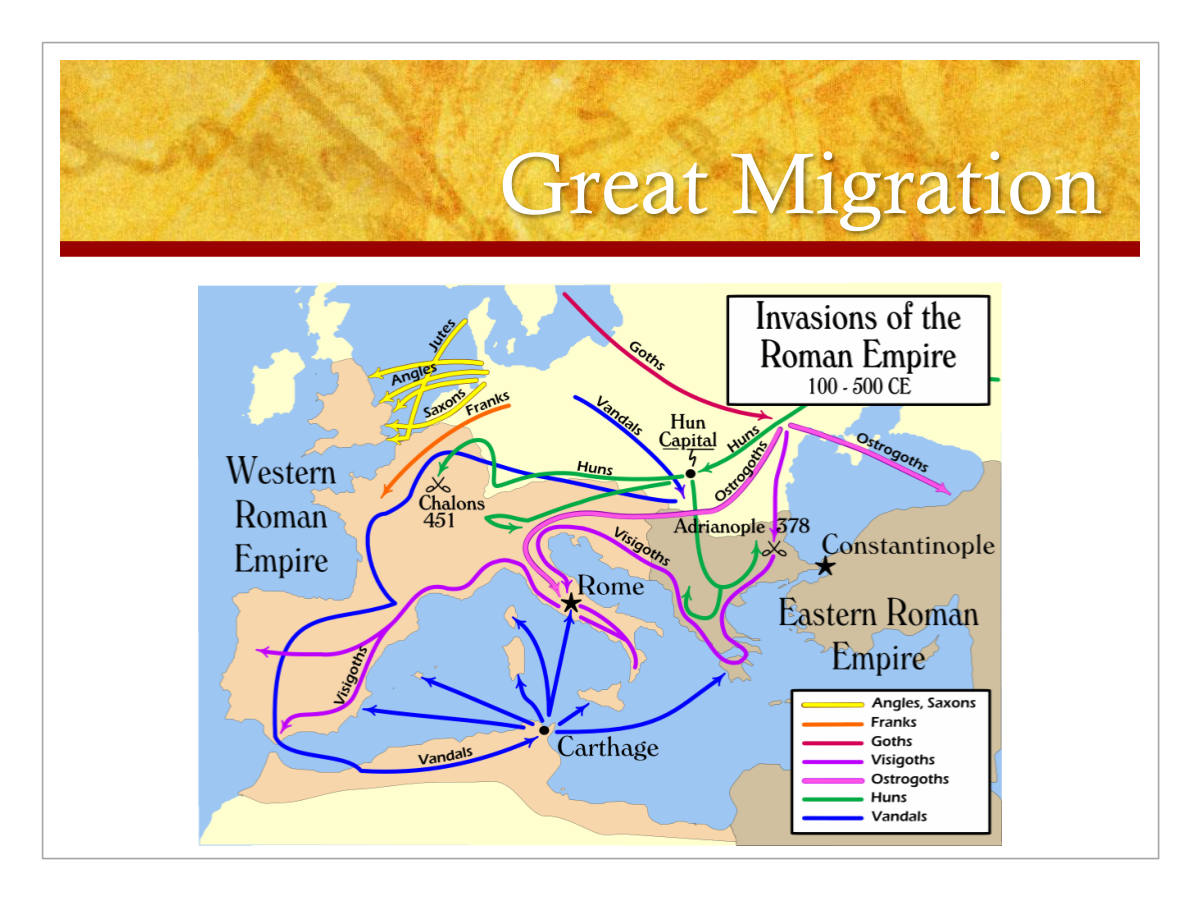
Collapse of Western Roman Empire. Population decline by one third. By 700, 2% of shipwrecks of 100 CE. “Great migration” disrupted Roman civilization
3
Great Migration
4
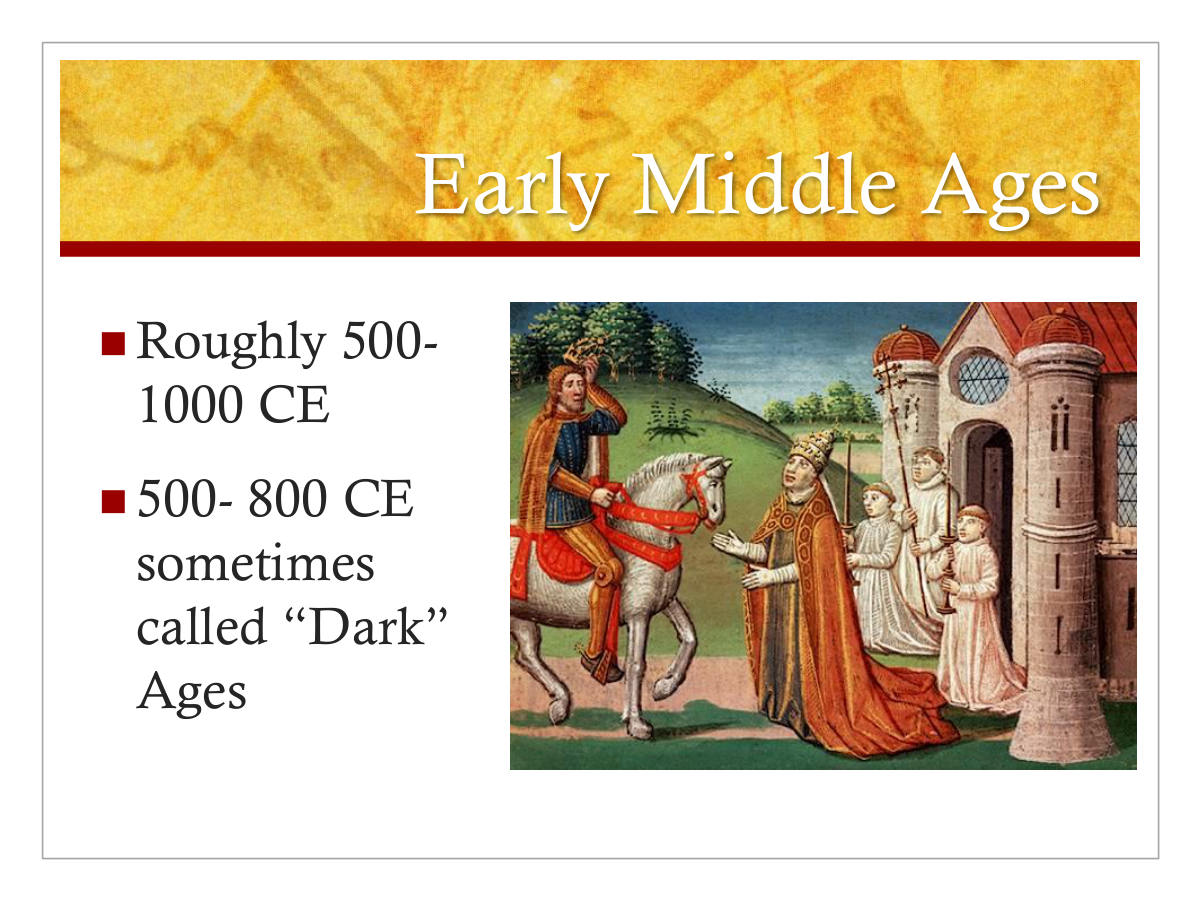
Early Middle Ages. Roughly 500-1000 CE. 500- 800 CE sometimes called “Dark” Ages
5
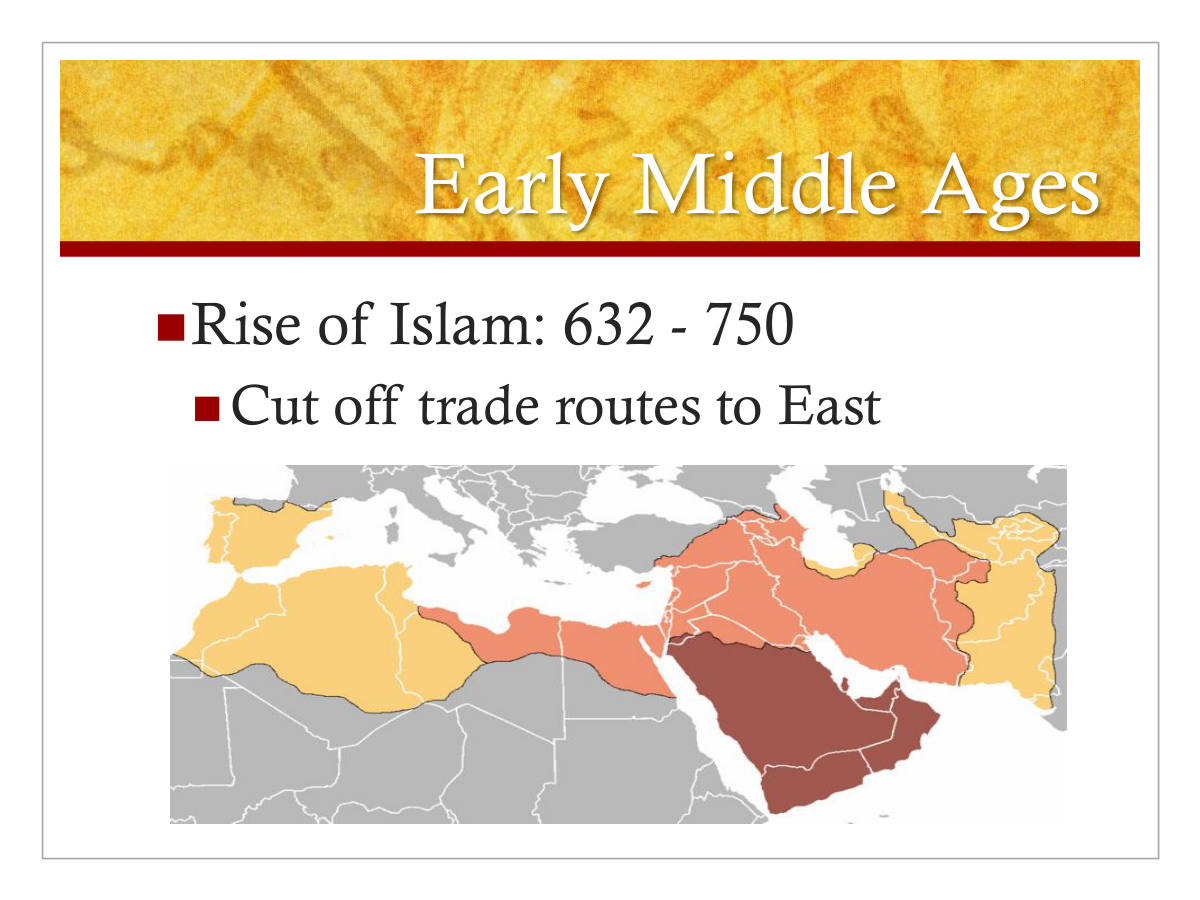
Early Middle Ages. Rise of Islam: 632 - 750. Cut off trade routes to East
6
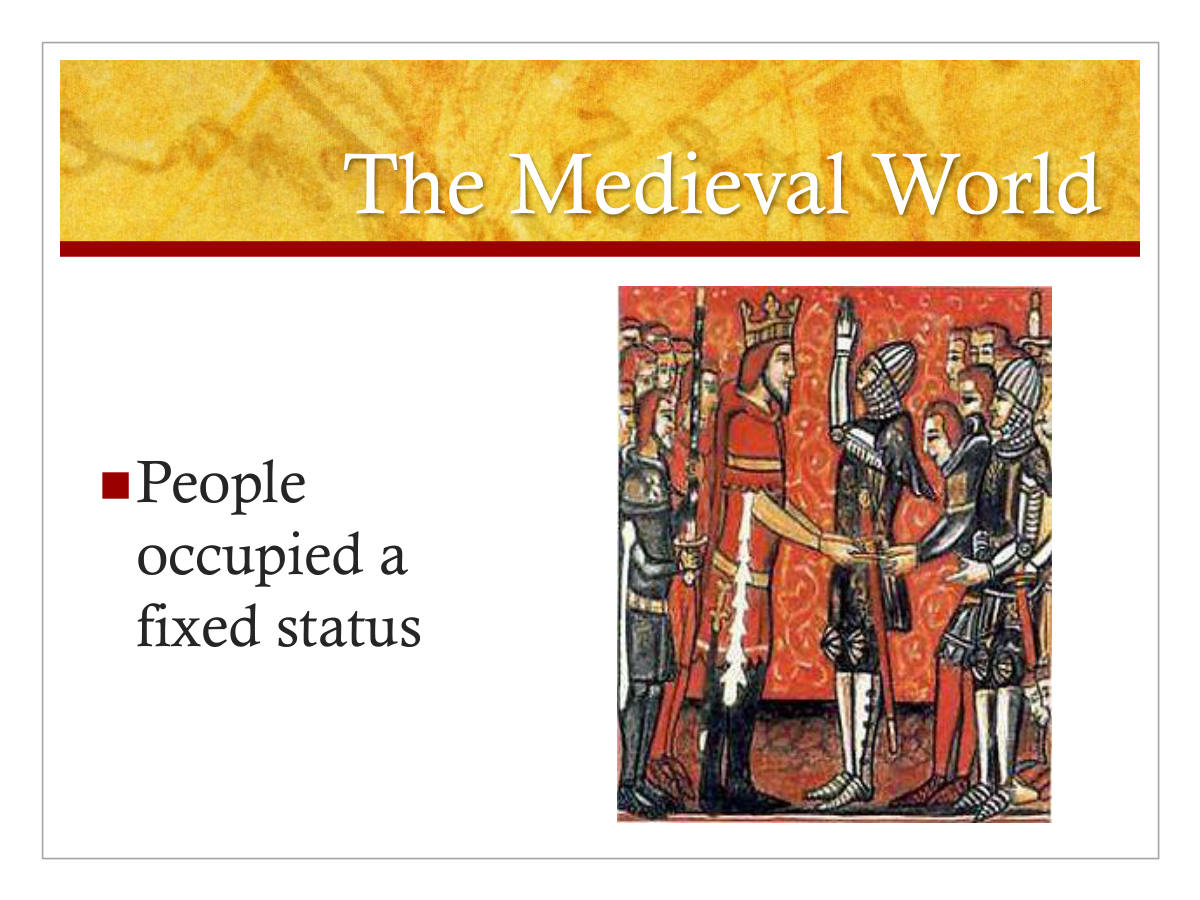
The Medieval World. People occupied a fixed status
7
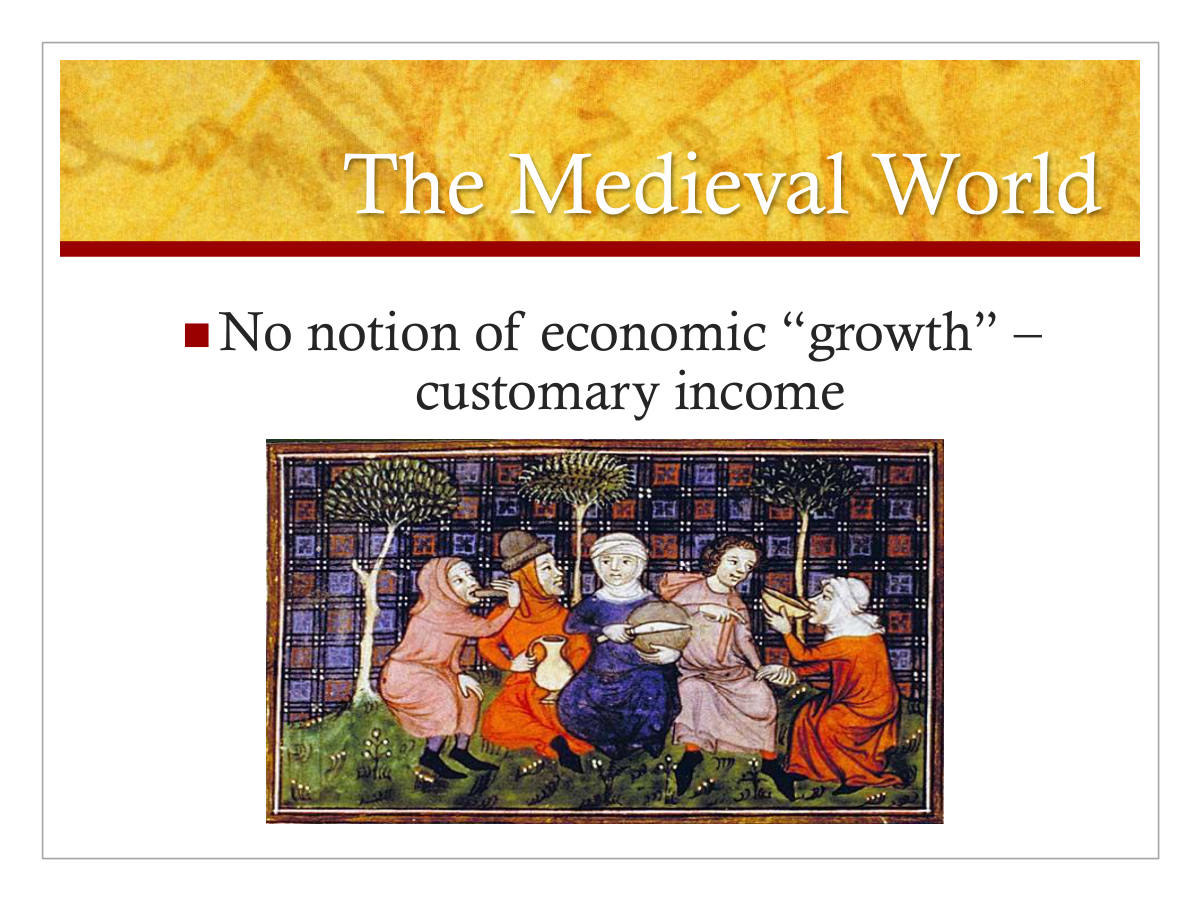
The Medieval World. No notion of economic “growth” – customary income
8
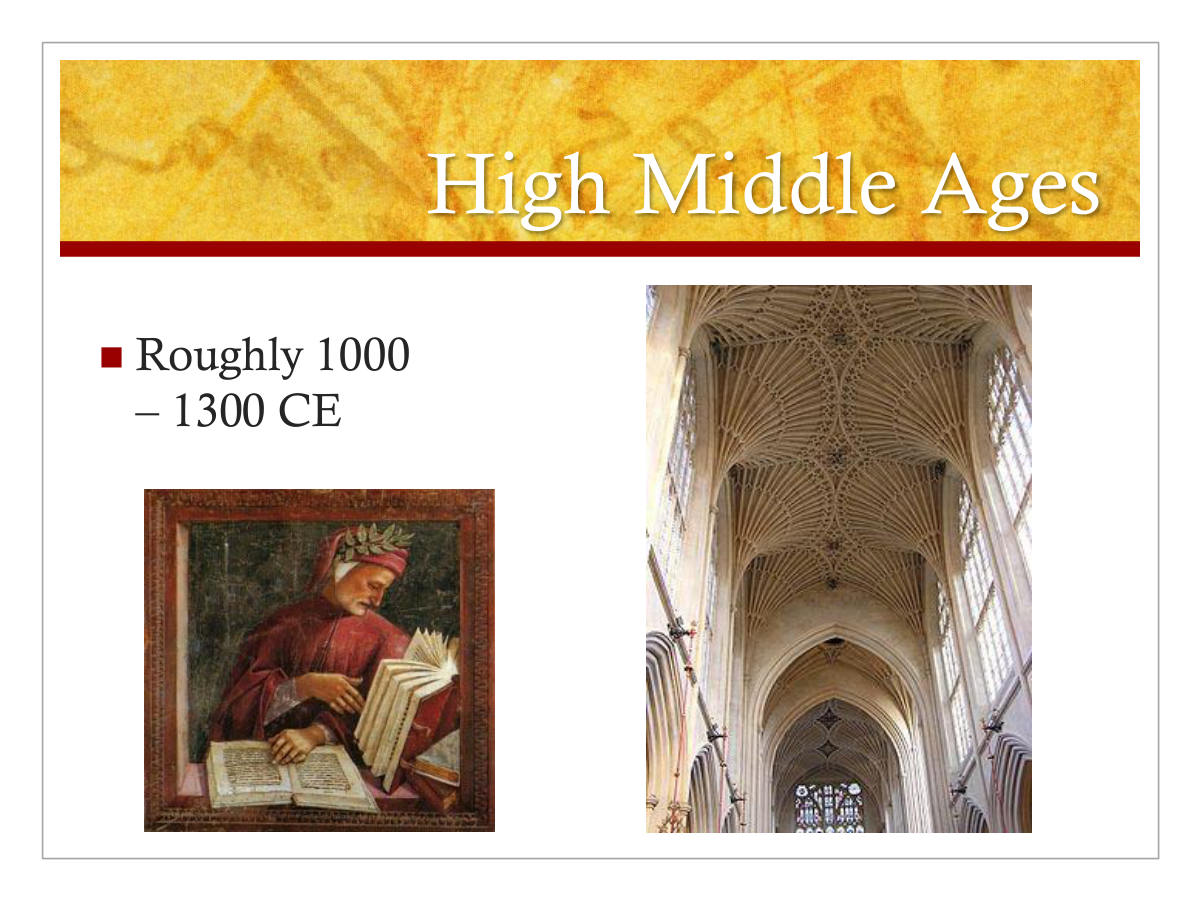
High Middle Ages. Roughly 1000 – 1300 CE
9
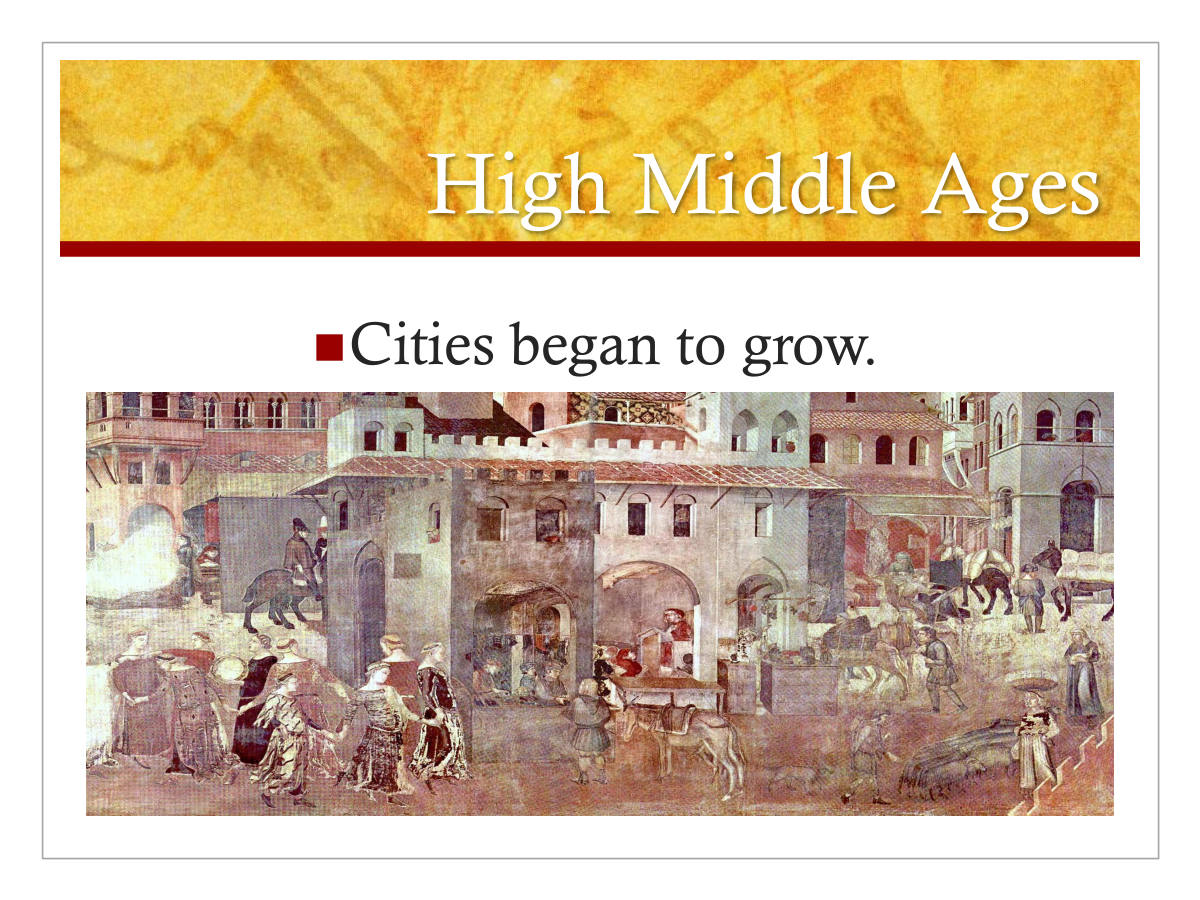
High Middle Ages. Cities began to grow.
10
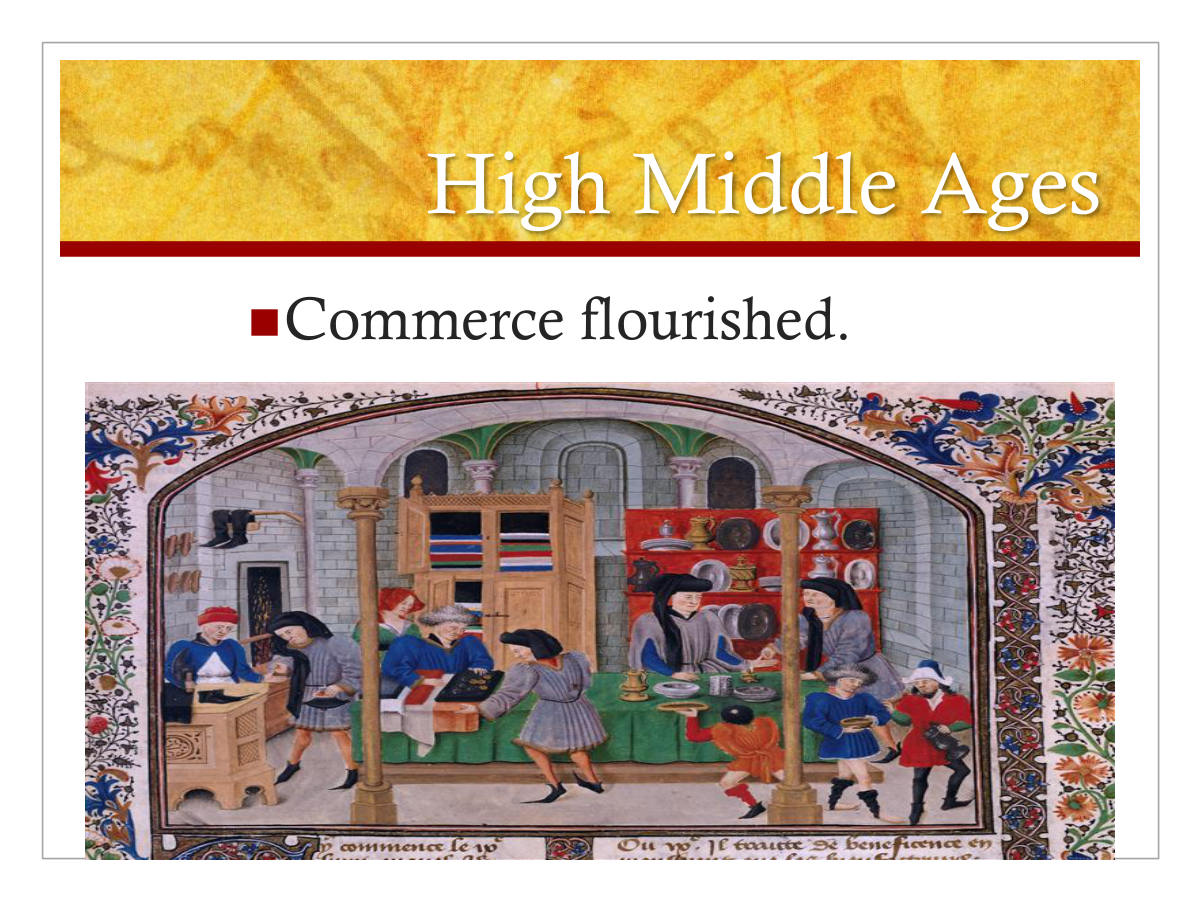
High Middle Ages. Commerce flourished.
11
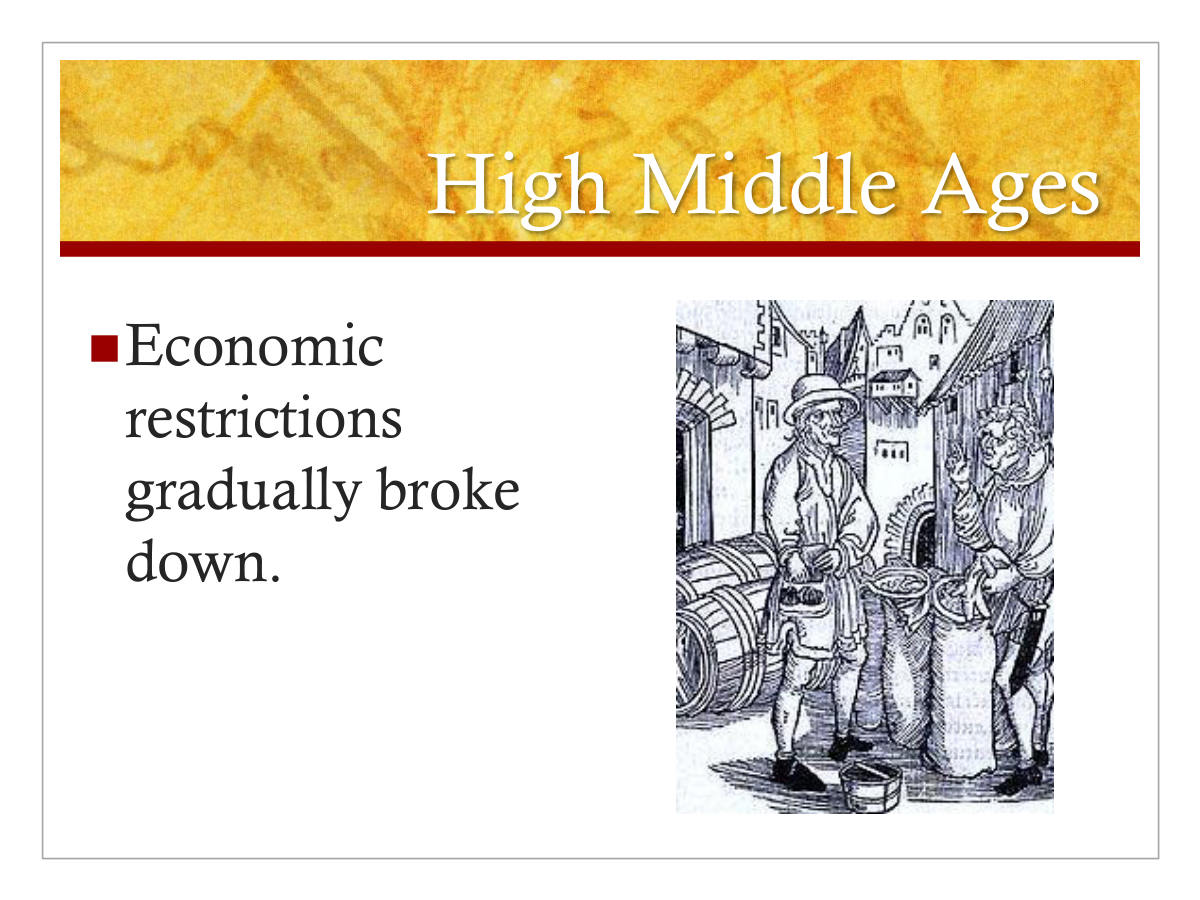
High Middle Ages. Economic restrictions gradually broke down.
12
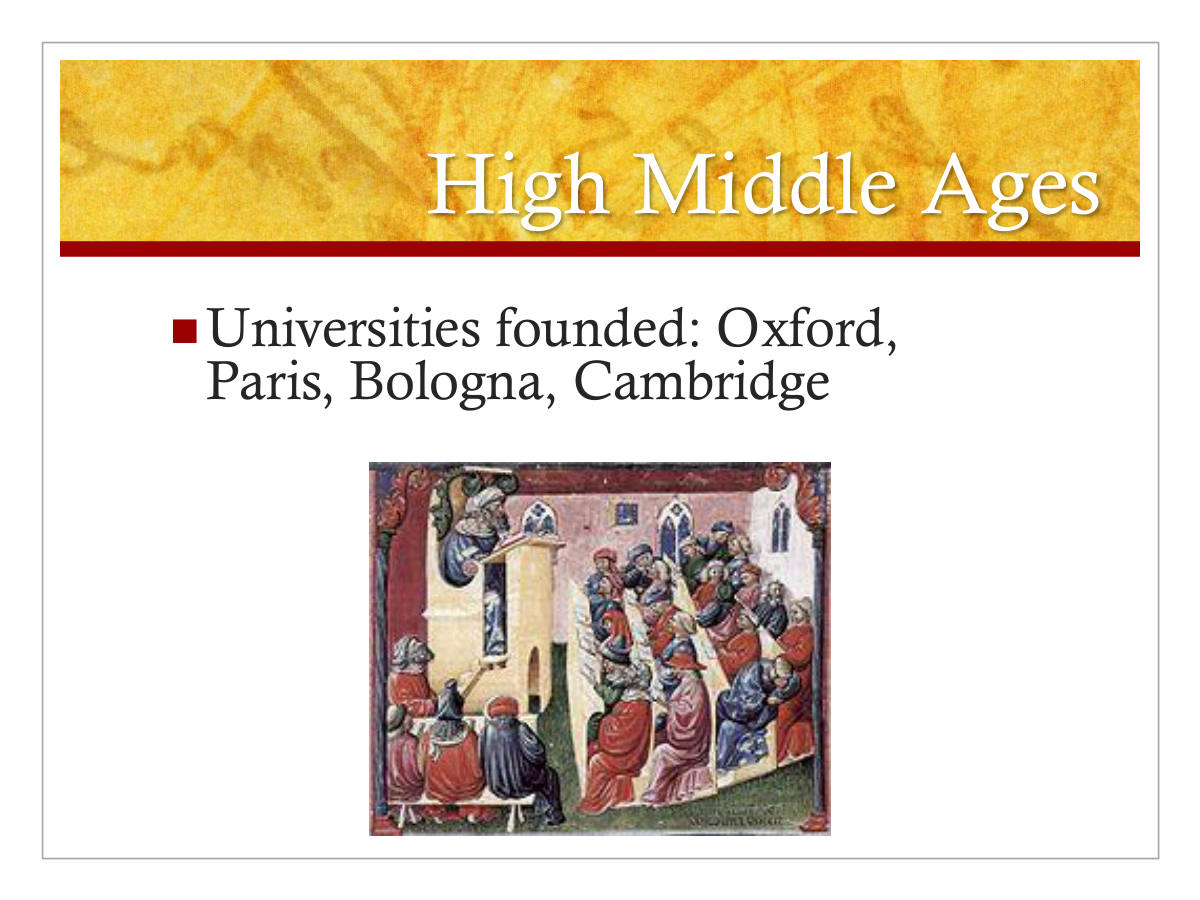
High Middle Ages. Universities founded: Oxford, Paris, Bologna, Cambridge
13
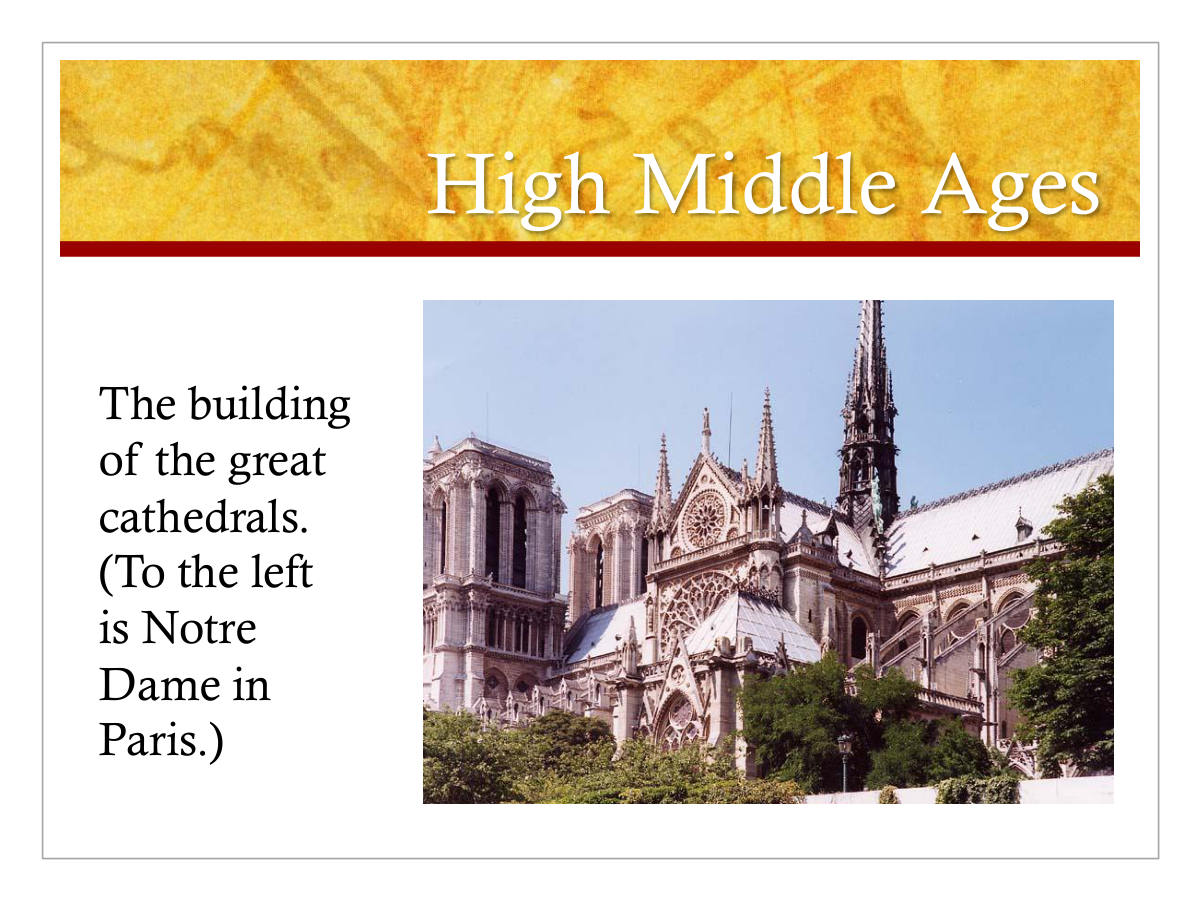
High Middle Ages. The building of the great cathedrals. (To the left is Notre. Dame in. Paris.)
14
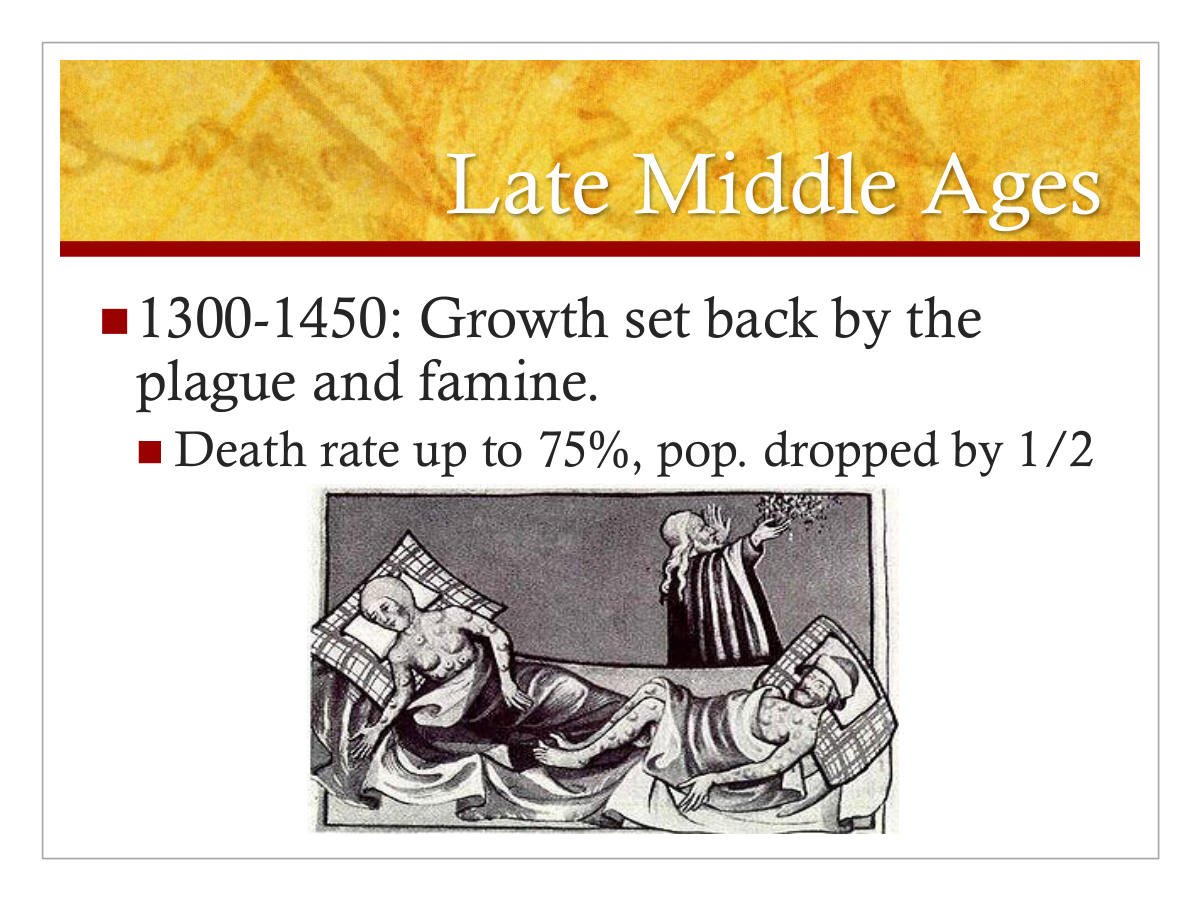
Late Middle Ages. 1300-1450: Growth set back by the plague and famine. Death rate up to 75%, pop. dropped by 1/2
15
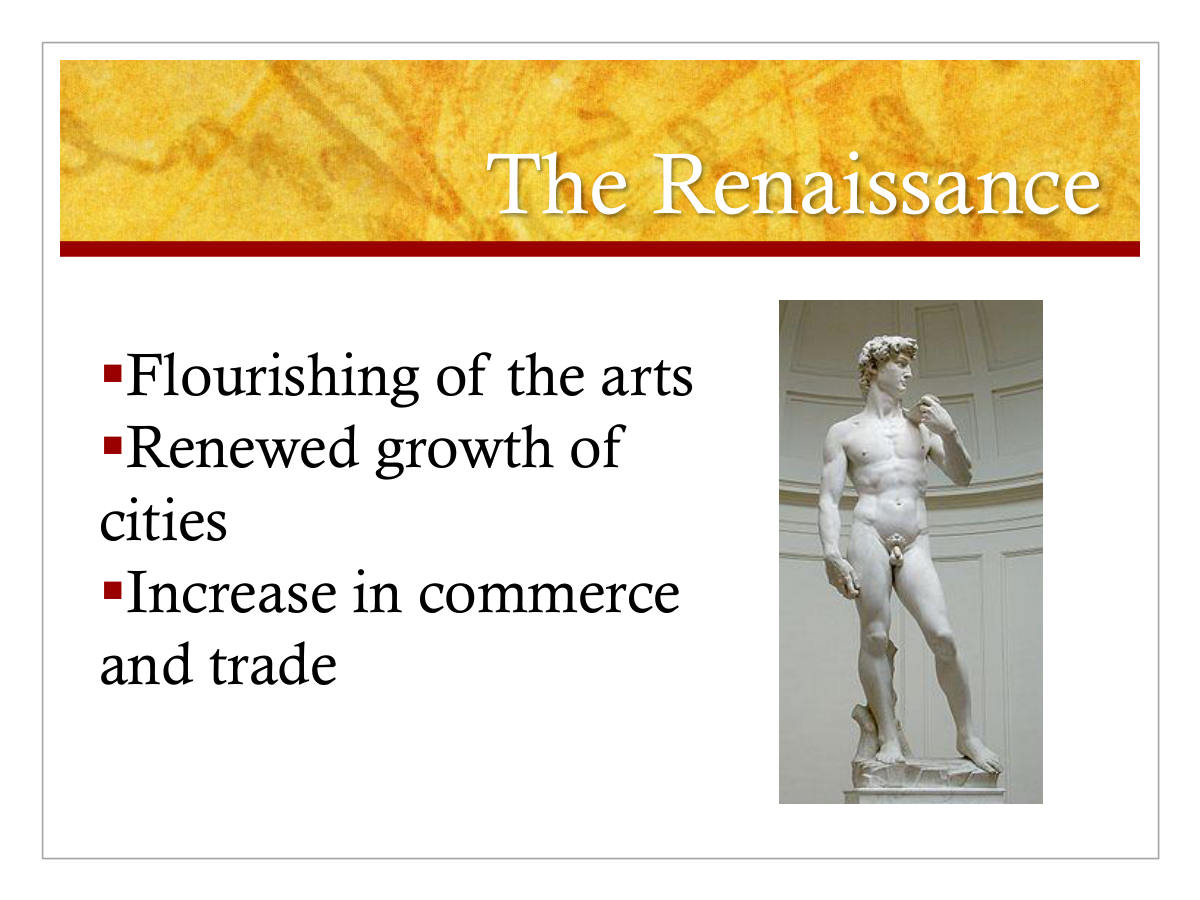
The Renaissance. Flourishing of the arts. Renewed growth of cities. Increase in commerce and trade
16
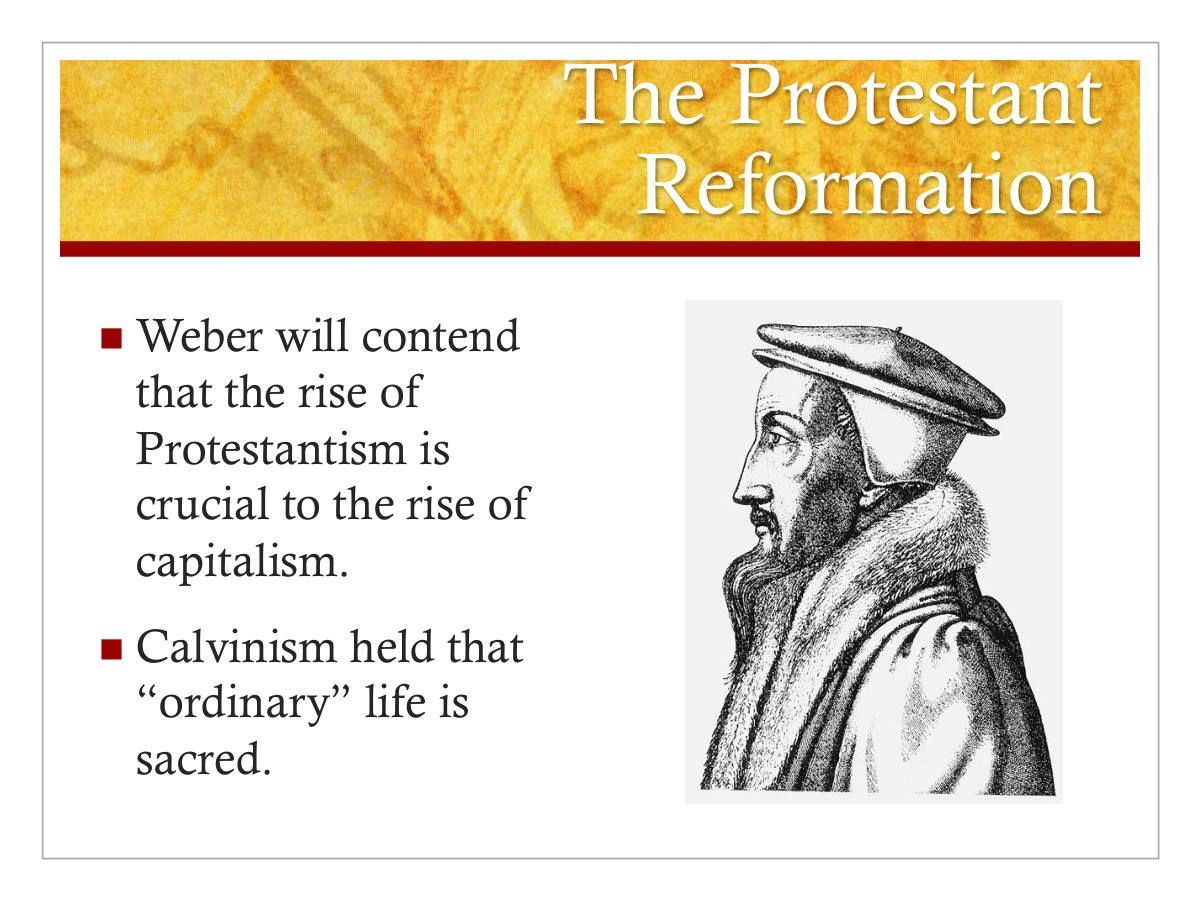
The Protestant Reformation. Weber will contend that the rise of Protestantism is crucial to the rise of capitalism. Calvinism held that “ordinary” life is sacred.
17
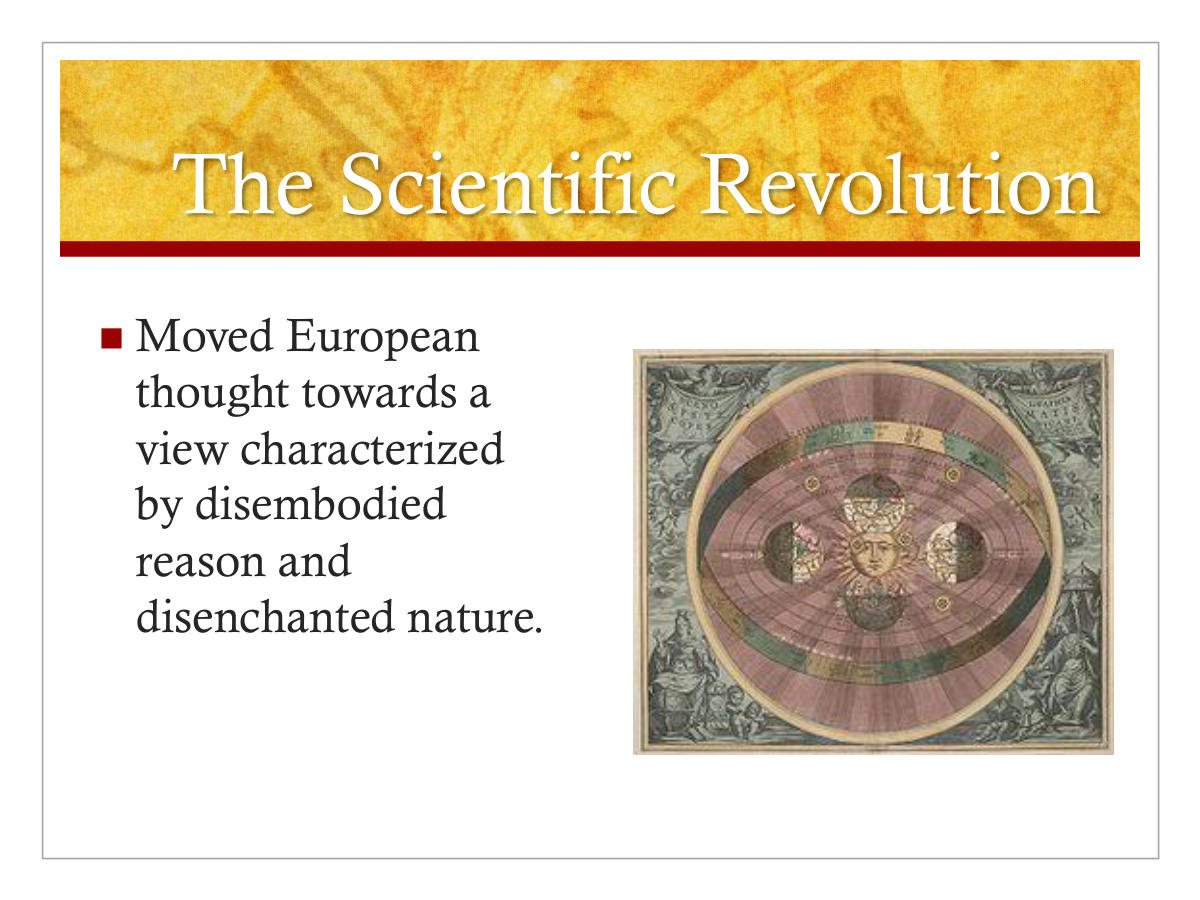
The Scientific Revolution. Moved European thought towards a view characterized by disembodied reason and disenchanted nature.
18
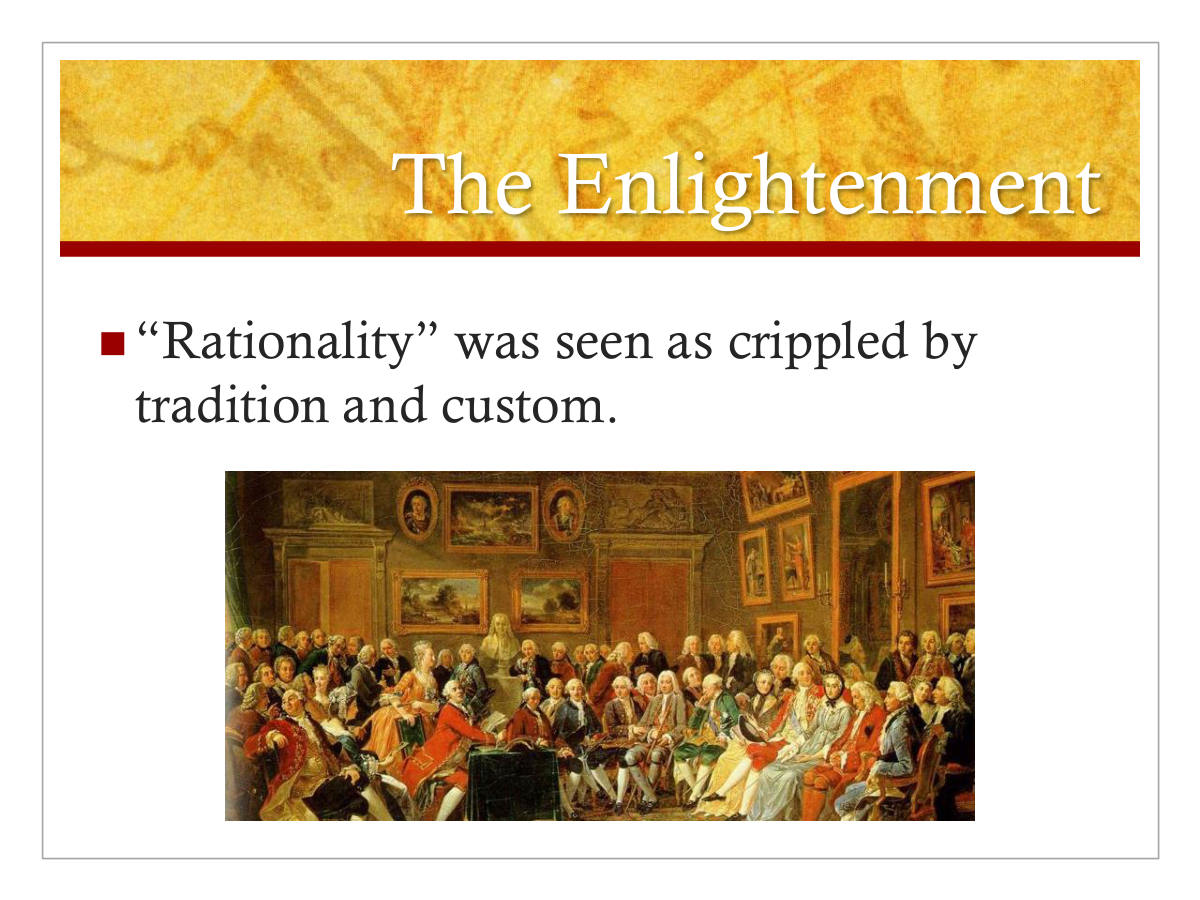
The Enlightenment. “Rationality” was seen as crippled by tradition and custom.
19
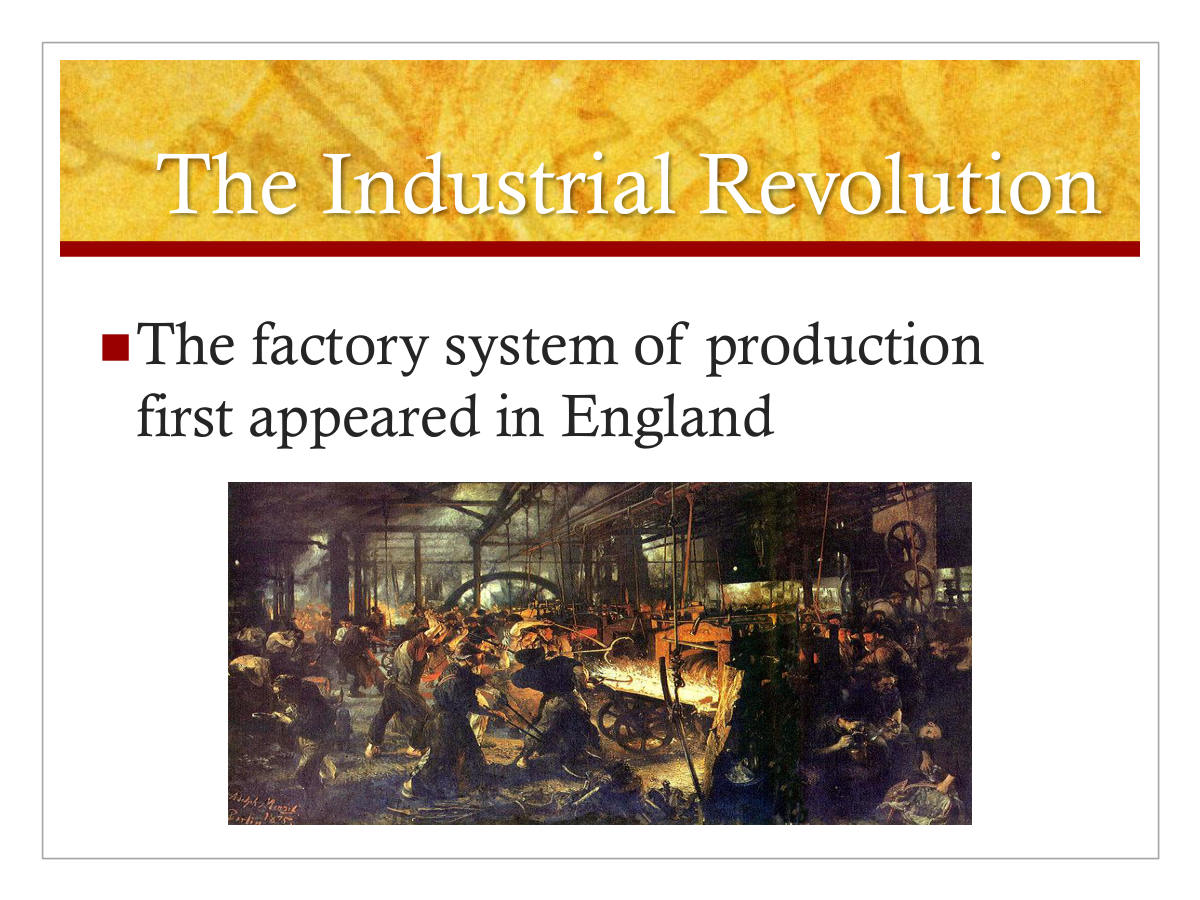
The Industrial Revolution. The factory system of production first appeared in England
20
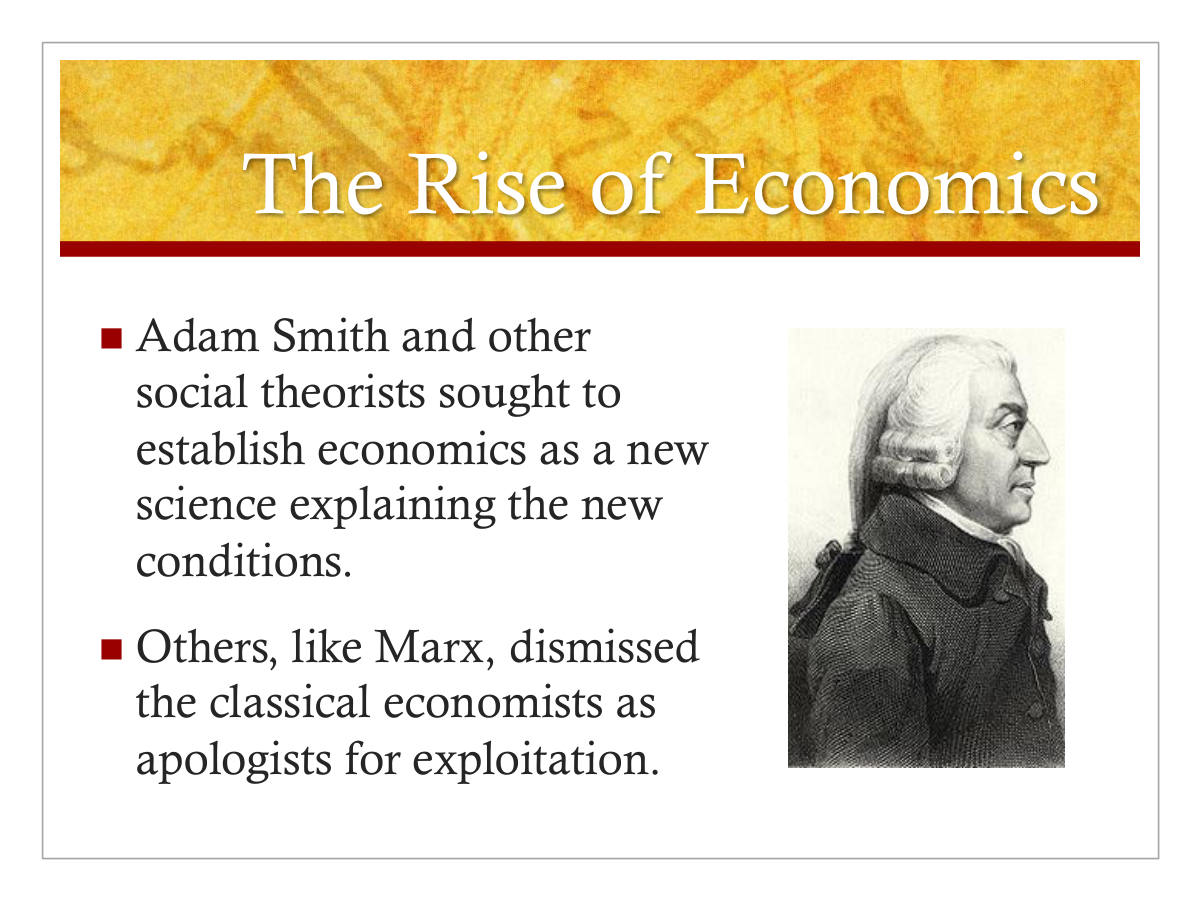
The Rise of Economics. Adam Smith and other social theorists sought to establish economics as a new science explaining the new conditions. Others, like Marx, dismissed the classical economists as apologists for exploitation.
21
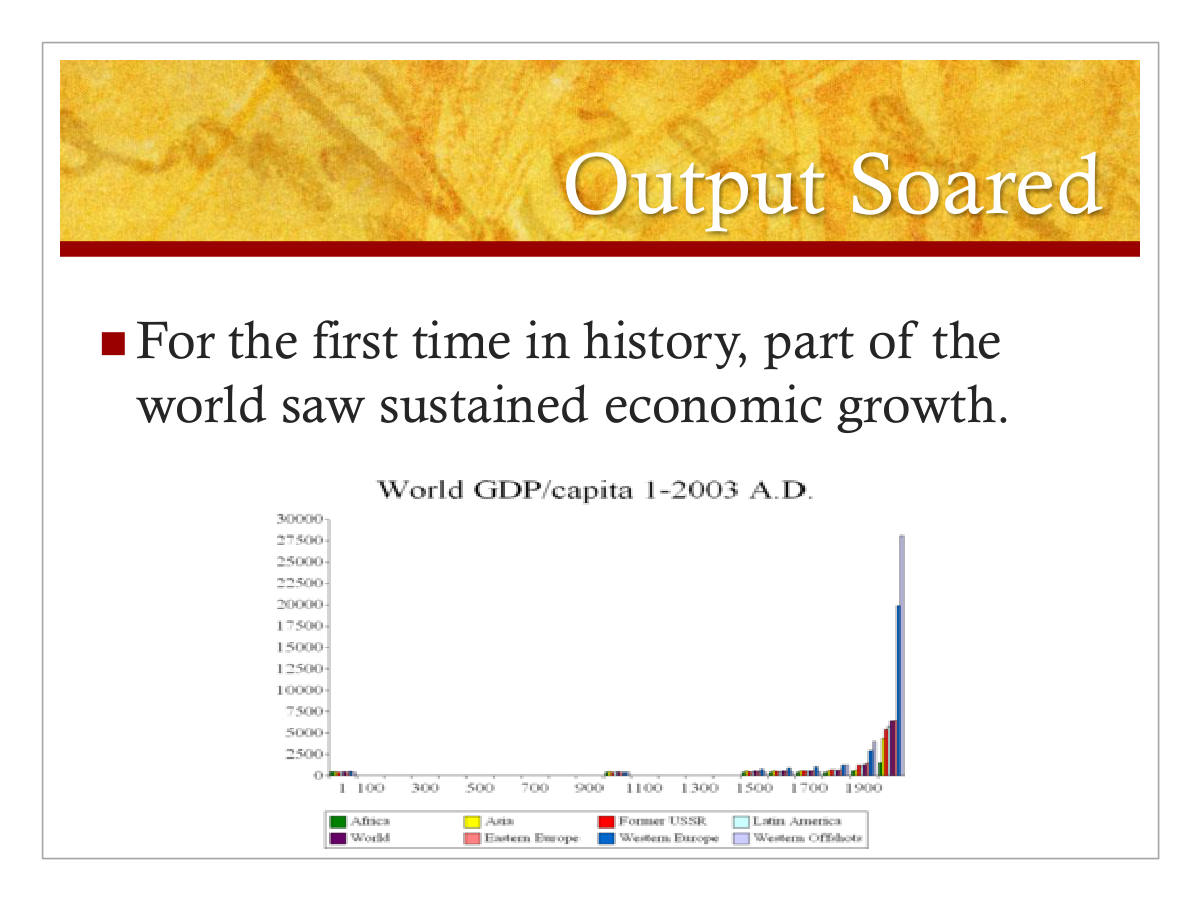
Output Soared. For the first time in history, part of the world saw sustained economic growth.
22
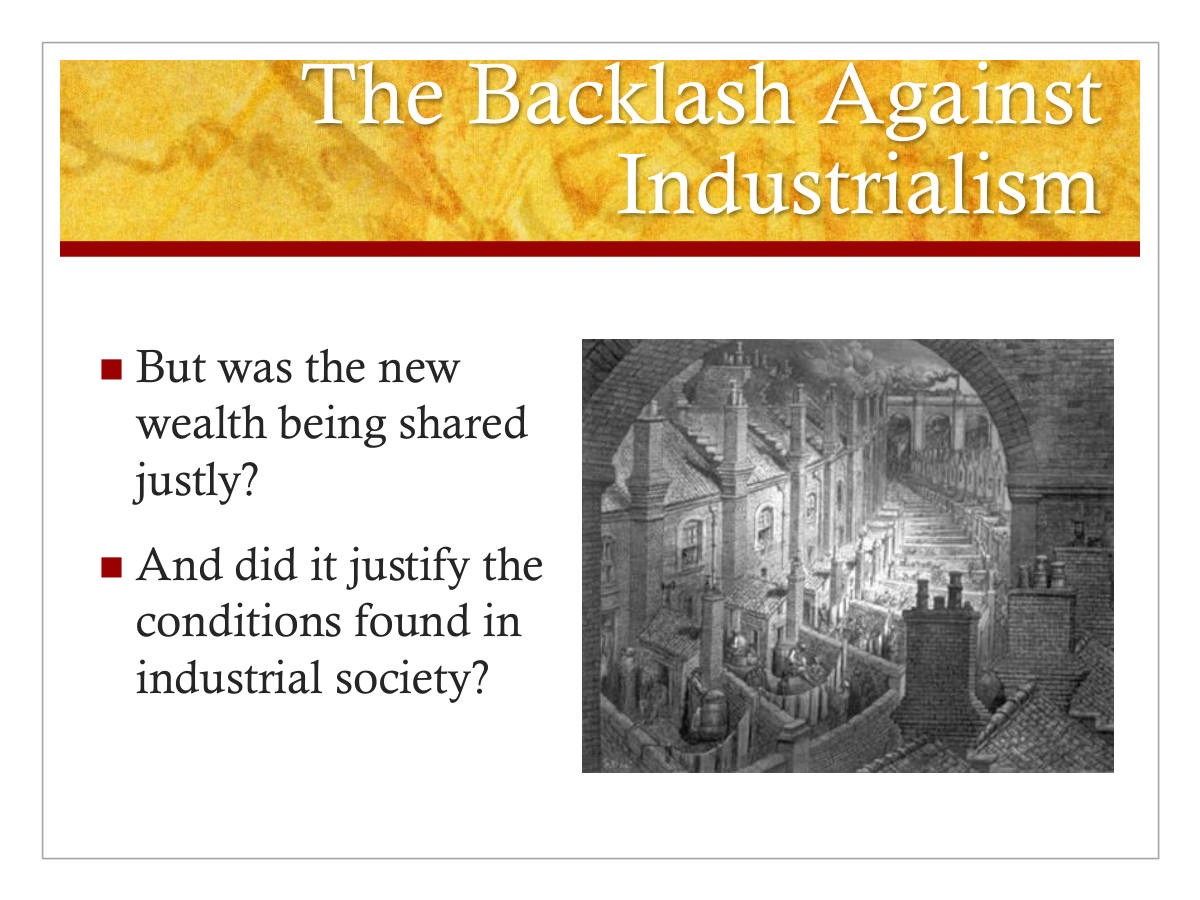
The Backlash Against Industrialism. But was the new wealth being shared justly? And did it justify the conditions found in industrial society?
23
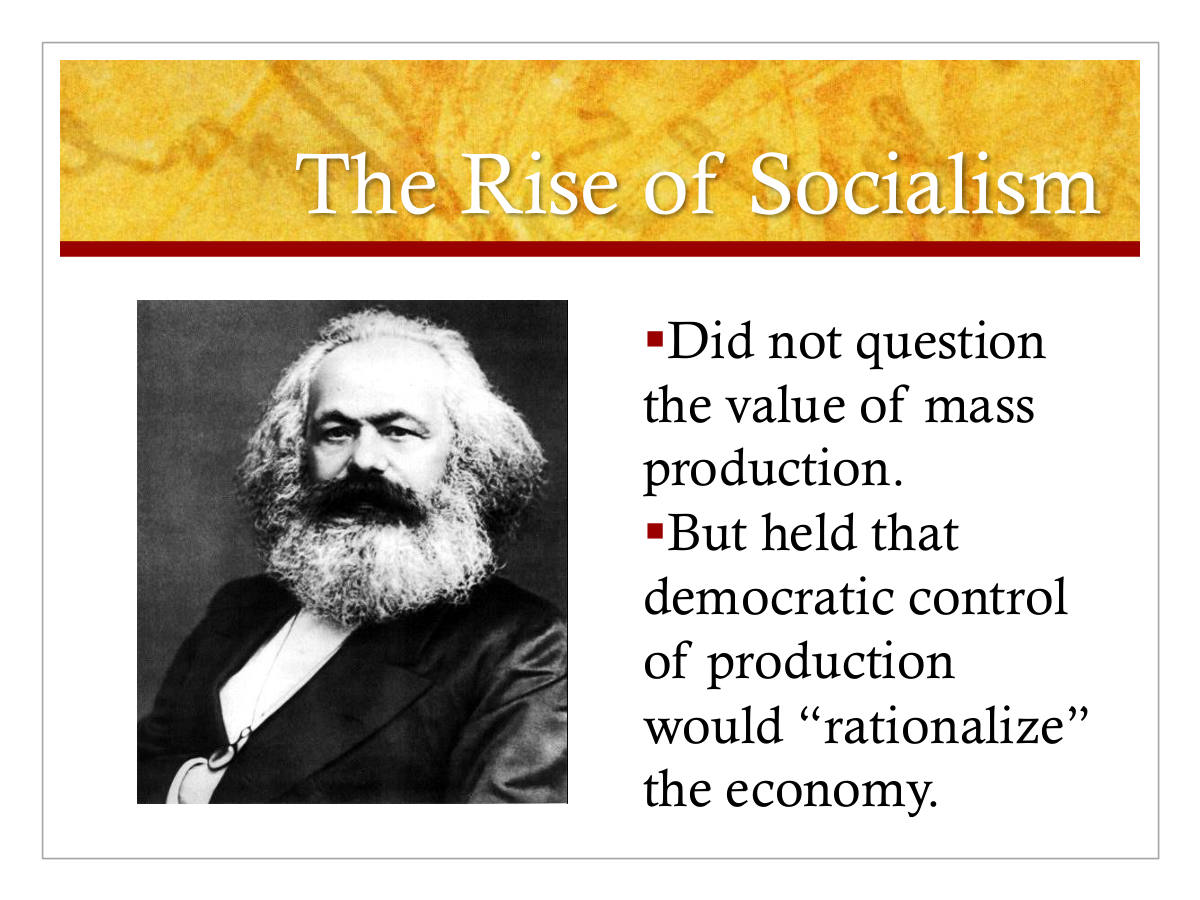
The Rise of Socialism. Did not question the value of mass production. But held that democratic control of production would “rationalize” the economy.
24
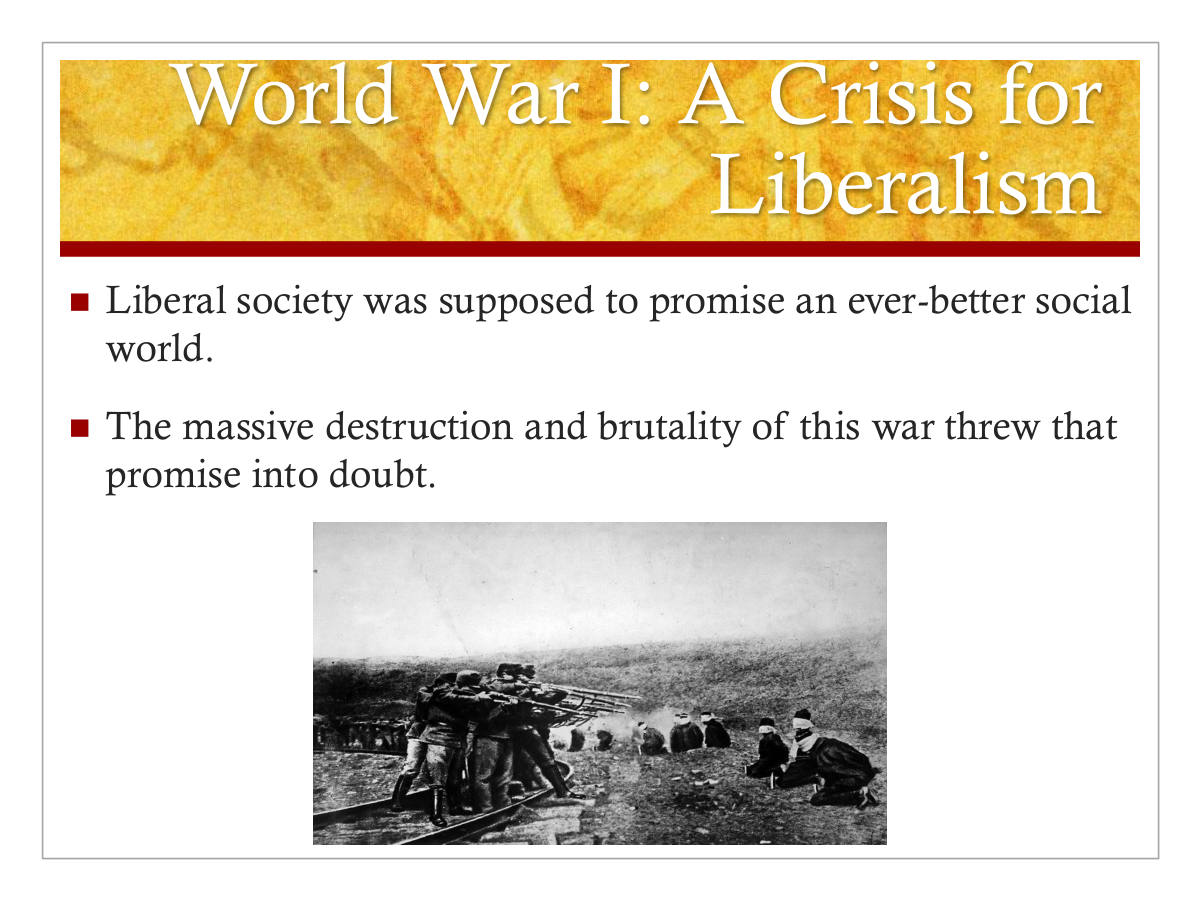
World War I: A Crisis for Liberalism. Liberal society was supposed to promise an ever-better social world. The massive destruction and brutality of this war threw that promise into doubt.
25
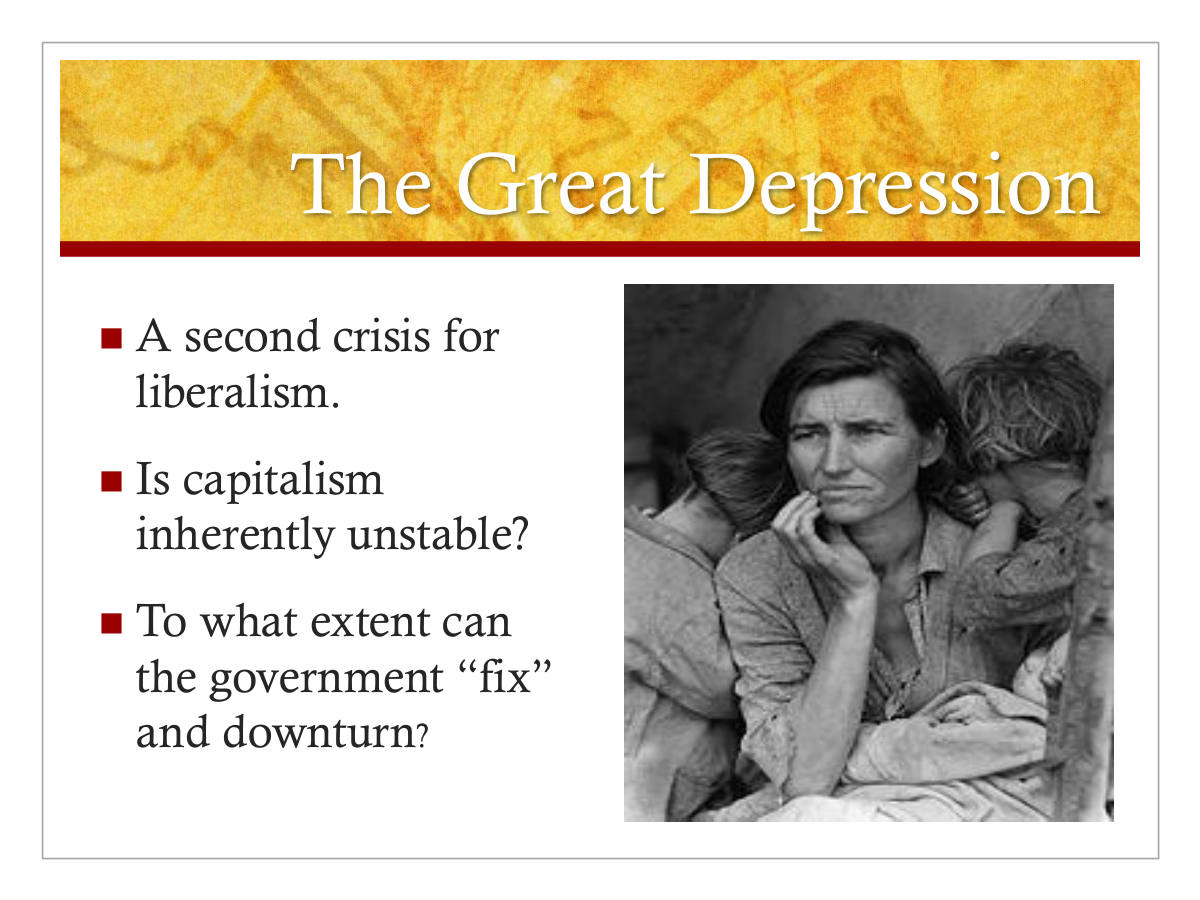
The Great Depression. A second crisis for liberalism. Is capitalism inherently unstable? To what extent can the government “fix” and downturn?
26
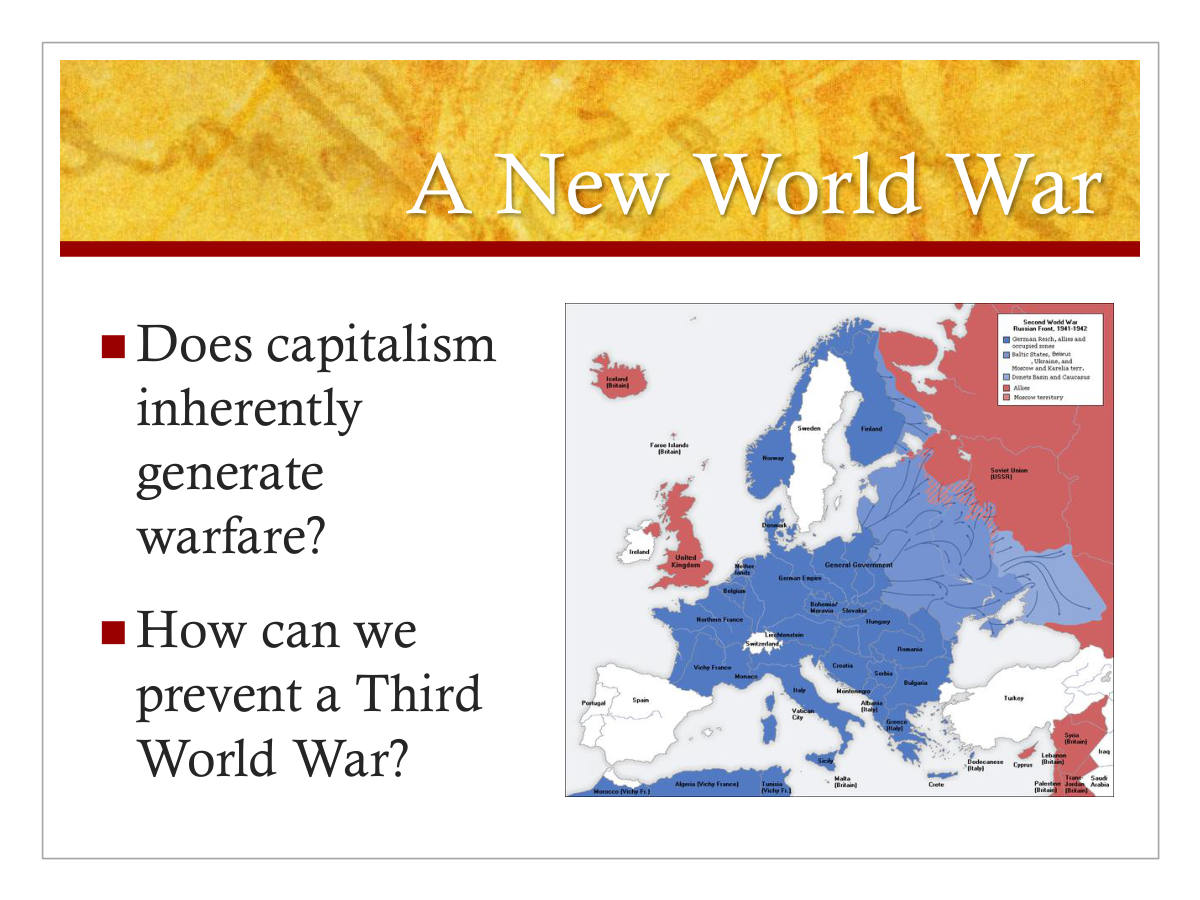
A New World War. Does capitalism inherently generate warfare? How can we prevent a Third World War?
27
The Cold War Between Economic Systems. The “Cold War” after World War II was often seen as a direct competition between capitalism and socialism. Did capitalism win?
28
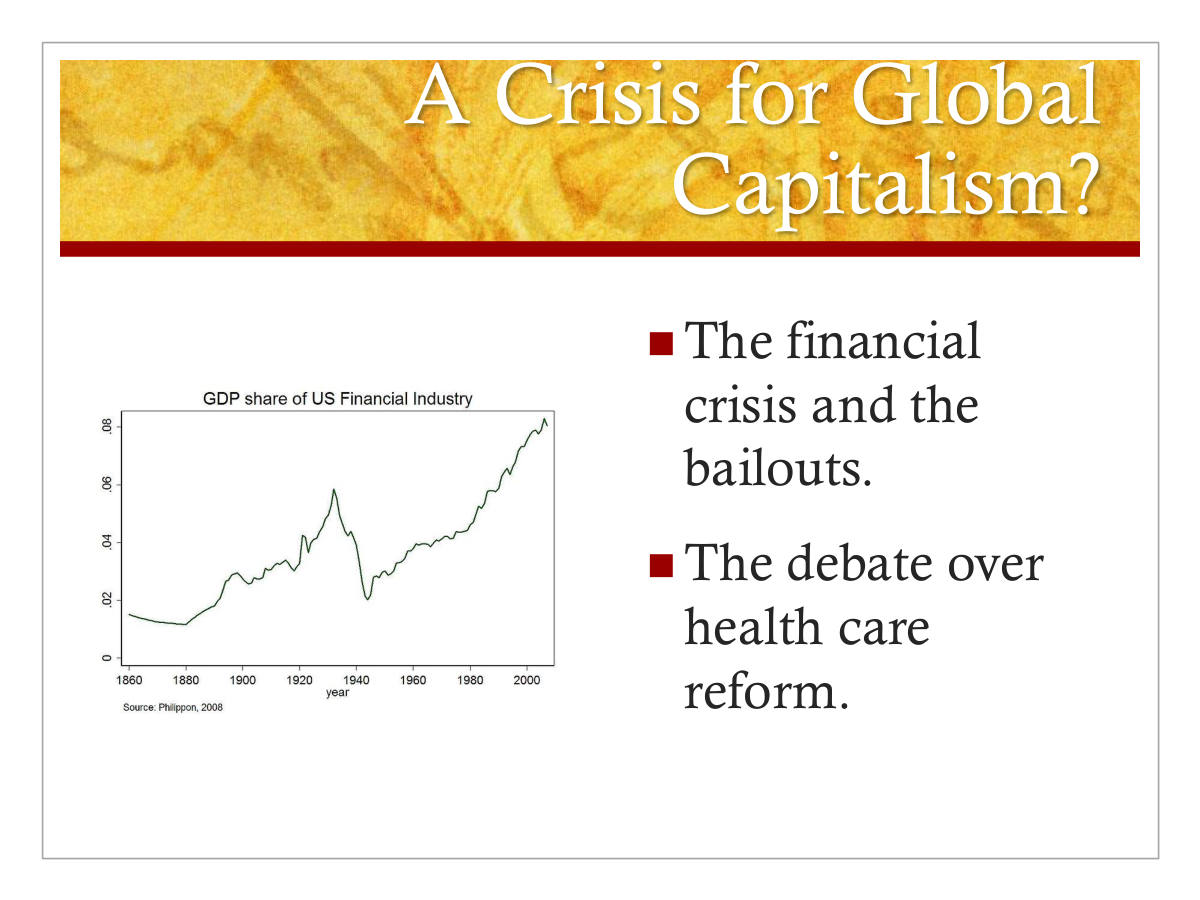
A Crisis for Global Capitalism? The financial crisis and the bailouts. The debate over health care reform.
29