Chapter 7
Employment and Unemployment
20 slides
Contents · 20 slides
- Employment and Unemployment
- Employed
- Unemployed
- Slide 4
- Slide 5
- Slide 6
- Slide 7
- Discouraged workers: they have stopped looking for work Underemployed: working fewer hours or different job than they want
- Slide 9
- Slide 10
- Slide 11
- Slide 12
- Slide 13
- Slide 14
- Slide 15
- Slide 16
- Slide 17
- Slide 18
- Slide 19
- Slide 20
1 Employment and Unemployment
2 Employed
- A person who works for pay or profits

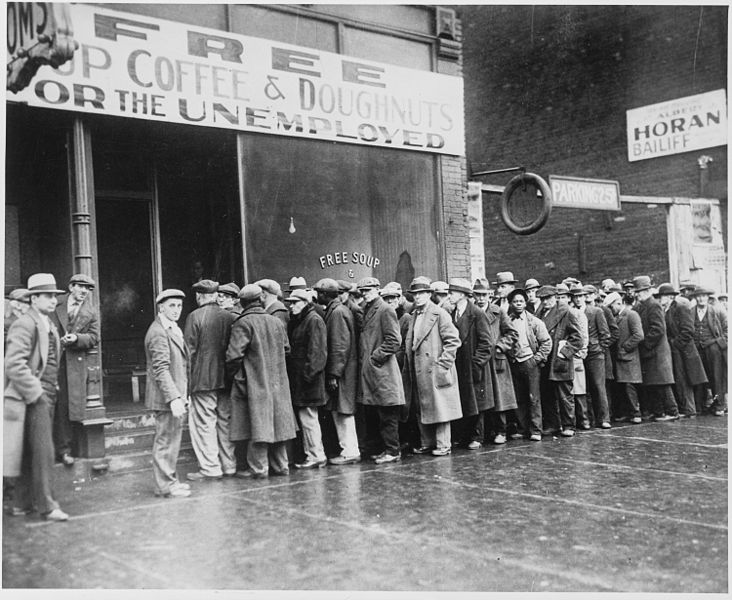
3 Unemployed
- Not employed, but actively seeking a job and available to work
4 Slide 4
- Under age 16?
- In an institution?
- On active duty in the military?
- Been actively searching for work?
- Available to start a job?
- Not surveyed by the Bureau of Labor Statistics
- 70.8 million
- “No” to all questions in Box A
- Worked at all last week for pay or profit?
- Worked 15 hours or more in a family business?
- “No” to both questions in Box B
- “No” to either question in Box C
- NOT IN THE LABOR FORCE
- 79.5 million
- LABOR FORCE
- 153.2 million
- Flow chart: Employed, unemployed, or not in the labor force?
6 Slide 6
- Frictional—looking for a job
- Structural—mismatch between jobs and searchers
- Cyclical—booms and busts
7 Slide 7
- Unemployment Rate (percent)
- Unemployment over the business cycle
8 Discouraged workers: they have stopped looking for work Underemployed: working fewer hours or different job than they want
- Discouraged Workers and Underemployment
9 Slide 9
- Classical View of Unemployment
- All unemployment is frictional or structural:
- Labor unions hold wages too high
- Minimum wage
- Unemployment insurance encourages more frictional unemployment
- Say’s Law always holds!
10 Slide 10
- Supply and Demand for labor
11 Slide 11
- Labor Surplus (Unemployment)
- Wages too high: unemployment
12 Slide 12
- The following may prevent adjustments:
- Sticky wages—workers resist wage reductions
- Insider-outsider—outsiders can be shut out by contracts and lack of cooperation
- Efficiency wage—higher than equilibrium wages can motivate workers to work harder
13 Slide 13
- Keynes: Reduced Wages May Not Help!
- See the circular flow diagram in the next slide: if wages fall, aggregate demand will fall, which will further reduce employment!
- A vicious circle!
14 Slide 14
- Aggregate demand for goods and services
- Spending stimulates firms to produce
- Production generates incomes
- Incomes give actors the ability to spend
- The Keynesian Model of Employment Determination
15 Slide 15
- Natural Rate of Unemployment
- The rate of unemployment that would prevail if there were no business cycle
- NAIRU: The lowest unemployment rate that will not cause inflation
16 Slide 16
- “Natural” Rate of Unemployment
- Actual Rate of Unemployment
- The “Natural” Rate of Unemployment
17 Slide 17
- Unemployment Rate (percent)
- Inflation (percent per year)
- Does Unemployment “Too Low” Cause Inflation?
18 Slide 18
- Unemployment Rate (percent)
- Empirical Date and the “Natural” Rate
19 Slide 19
- Labor Force Participation Rate
- Changing Labor Force Participation
20 Slide 20
- Flexible Work Arrangements
- Flexible employment can mean more time off for parenting and other interests
- Or it can mean it is easier for employers to dismiss workers or employ them without benefits